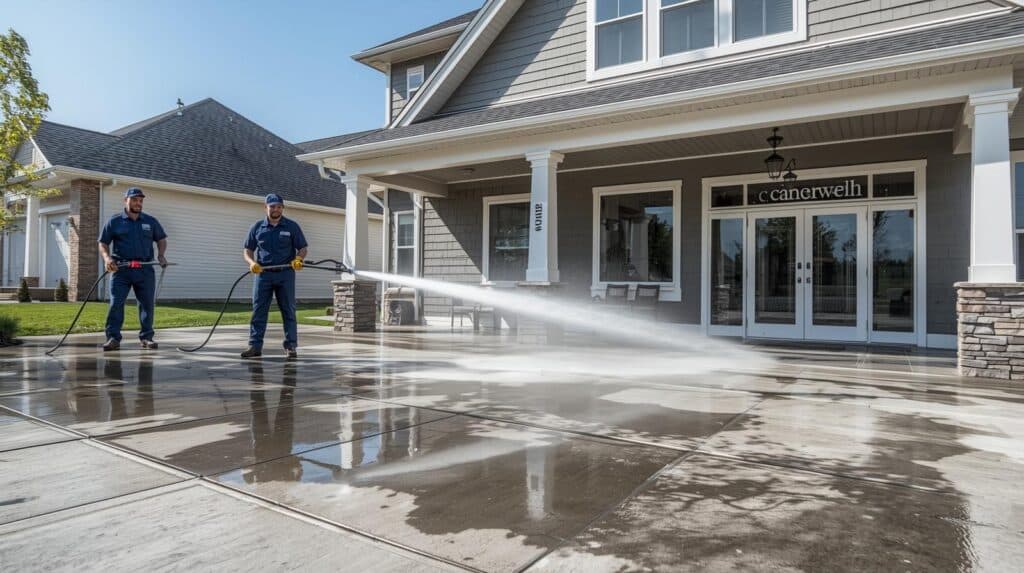
Discover the safest and most effective way to clean your home. Compare pressure vs soft washing and protect every surface with long-lasting results.
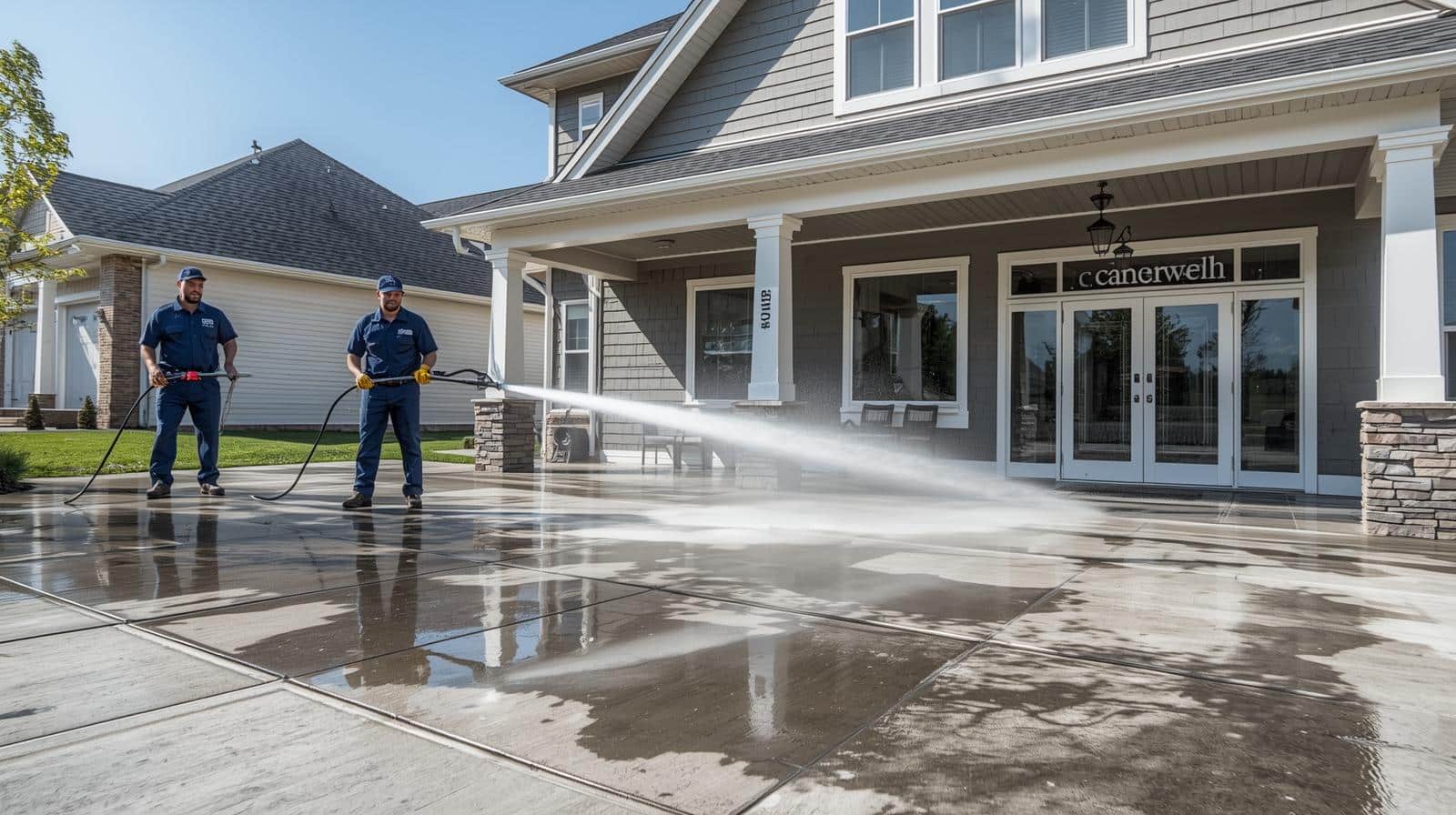

Understanding Exterior Cleaning in Modern Homes
Keeping a home exterior clean may look simple, yet the process demands more care than most people expect. Many homeowners deal with dirt, mold, algae, stains, and weather damage. These issues do not appear overnight. They build slowly, layer by layer, until the surface loses brightness. The difference between Pressure Washing vs. Soft Washing becomes important when the goal is long-term protection. Each method cleans, but each one serves a different purpose. Knowing when to use one or the other helps prevent damage, preserve materials, and keep a home strong for many years.
This guide explains everything with clarity. The language stays simple. The ideas stay clear. The sections stay balanced. Each part offers deep, valuable information so readers understand how both methods work and why choosing the right one matters.
Why Exterior Cleaning Matters
Homes constantly interact with outdoor elements. Rain leaves streaks. Wind carries dirt. Sunlight fades colors. Humidity feeds mold. When these factors combine, surfaces break down faster. Exterior cleaning removes layers of dirt that trap moisture. Moisture is the start of many problems. It weakens paint. It creates an ideal environment for mold. It speeds up material aging. A clean surface stays dry, bright, and strong.
Clean surfaces help homeowners spot issues early. Small cracks become visible. Loose paint becomes clear. Early detection prevents large repairs. Clean exteriors also improve energy efficiency because dirt makes walls retain heat. Cleaner surfaces also improve curb appeal. A clean home looks healthier, safer, and newer.
See more at: cleaninginstitute.org
Common Problems Caused by Dirt and Mold
Dirt creates rough layers that trap more debris. As dirt builds up, it becomes harder to clean. Mold spreads through tiny spores in the air. When moisture touches the surface, spores grow. Mold spreads fast across shaded areas. Algae forms green lines on siding. These lines spread slowly but continuously. Over time, the surface weakens.
Moisture behind siding causes rot. Mold on roofs shortens shingle life. Dirt on gutters limits water flow. Algae on sidewalks becomes slippery and unsafe. Cleaning removes all these risks.
How Weather Affects Home Surfaces
Every season affects a home differently. Heat expands materials. Cold air shrinks them. Rain fills cracks with water. Sunlight dries the surface again. These cycles repeat all year. When dirt covers the surface, it absorbs moisture and increases the pressure on materials as they expand and contract. Clean surfaces handle weather changes better.
In humid regions, moisture stays longer on surfaces. This speeds up mildew and algae growth. In dry seasons, dust and pollen settle evenly, creating yellow or gray layers.
Why Tennessee Homes Need Regular Care
Tennessee’s climate has warm summers, cold winters, and high humidity. Mold grows fast in warm conditions. During rainy seasons, moisture remains on roofs and siding longer than in dry states. Pollen season covers homes with yellow dust. These conditions make cleaning essential at least once a year.
What Is Pressure Washing?
Definition and Core Purpose
Pressure washing is a cleaning method that uses strong water pressure to remove dirt, grime, stains, and debris from solid surfaces. The goal is fast and visible cleaning. The force of the water lifts old buildup and restores brightness.
The Science Behind High Pressure
Pressure washing works because water under pressure hits the surface with more impact. The force breaks apart layers of dirt. It also removes materials that cling tightly to the surface. The cleaning strength increases as the pressure increases. This makes pressure washing ideal for strong materials that do not weaken under force.
See more at: pwma.org
PSI Levels Explained
PSI (Pounds per Square Inch) measures the strength of the water pressure.
1,000–1,500 PSI handles light dirt on small items.
1,500–2,500 PSI works for basic exterior cleaning.
2,500–4,000+ PSI is used by professionals for hard surfaces.
Higher PSI means stronger cleaning power. Lower PSI means safer pressure.
Tools and Equipment Used
Gas Pressure Washers
These machines produce strong pressure. They work well outdoors and clean large areas fast.
Electric Pressure Washers
Electric machines offer moderate pressure. They work for small cleaning tasks with less force.
Nozzle Types
Nozzles control how the water sprays.
A narrow nozzle increases pressure.
A wide nozzle reduces pressure and spreads the spray.
The choice of nozzle affects the cleaning result.
When Pressure Washing Works Best
Ideal Materials
Concrete
Concrete is strong and durable. It handles high pressure without cracking. Dirt attaches tightly to concrete because its surface is slightly porous. Pressure washing removes these layers with ease.
Brick
Brick surfaces collect dust, pollen, and dark stains. Pressure washing restores their natural look by clearing material stuck between grooves.
Stone
Stone patios and walkways collect mud and grime. Pressure washing brightens the surface and removes buildup.
Metal
Metal surfaces resist water pressure. They clean up fast with minimal risk.
Gas Pressure Washers
Driveways
Driveways collect tire marks, oil stains, and dust. Pressure washing removes these marks and makes the surface bright again.
Sidewalks
Sidewalks darken from dirt, leaves, and moisture. Pressure washing restores the light color and improves safety by removing slippery buildup.
Patios
Patios gather debris and mud. Pressure washing clears the area and prepares it for outdoor use.
Risks and Limits of Pressure Washing
Damage to Soft Surfaces
High pressure can harm soft surfaces. Wood may splinter. Vinyl siding may crack. Older surfaces weaken under force.
Water Intrusion Problems
Strong pressure can push water behind siding. This trapped moisture leads to mold and rot.
Paint Removal Risks
Paint can peel when exposed to high pressure. Even small cracks expand under force.
Mold Regrowth After Improper Cleaning
Pressure washing removes dirt but not mold roots. Mold returns quickly if the surface is not treated with the right solution.
What Is Soft Washing?
How Low-Pressure Systems Work
Soft washing uses gentle water pressure. The water sprays softly, avoiding surface damage. The cleaning strength comes from the cleaning solution.
Role of Cleaning Solutions
The solution breaks down dirt at a chemical level. It removes algae, mold, mildew, and organic stains. This deep cleaning slows regrowth.
See more at: epa.gov
Safe Application Process
The solution is applied evenly. After a short wait, the surface is rinsed with low pressure. This protects sensitive materials.
Why Soft Washing Protects Surfaces
Soft washing avoids cracks, chips, and water intrusion. The gentle method keeps the material safe while cleaning it deeply.
When Soft Washing Is the Right Choice

Ideal Materials
Siding
Siding collects mold and algae. Soft washing cleans it without causing cracks.
Roof Shingles
Roofs require gentle cleaning. Soft washing protects shingles and removes dark streaks.
Stucco
Stucco is delicate. Soft washing clears dirt without harming the surface.
Painted Surfaces
Painted walls fade and weaken with age. Soft washing preserves the color.
Exterior Areas That Require Care
Soft washing is ideal for areas exposed to moisture and shade. These include porch ceilings, roof edges, wall corners, and siding.
Major Differences Between Pressure Washing vs. Soft Washing
Exterior Areas That Require Care
Pressure Levels
Pressure washing uses strong force. Soft washing uses gentle flow.
Cleaning Depth
Soft washing penetrates deep into organic growth. Pressure washing removes only surface layers.
Surface Safety
Soft washing is safer for delicate materials.
Longevity of Results
Soft washing lasts longer because it kills mold roots.
Eco-Friendly Impact
Soft washing uses less water and eco-safe solutions.
Benefits between Pressure Washing and Soft Washing
Benefits of Pressure Washing
Faster Cleaning Power
Pressure washing is known for speed. The strong water pressure removes layers of dirt in a short time. This makes it ideal for large surfaces. Driveways, sidewalks, and stone patios get clean fast because the force of the water lifts debris instantly. Homeowners who want visible results right away benefit from this method.
Effective for Hard Surfaces
Surfaces with high durability respond well to pressure. Concrete, brick, and stone hold up against strong force. The pressure clears dirt that builds deep in the pores of the material. This gives the surface a smooth and fresh look without wasting time.
Removing Deep Stains
Stains from oil, mud, and weather exposure stay on hard surfaces for long periods. Pressure washing breaks the bond between the stain and the surface. This helps brighten areas that look worn out. The method works well on driveways that show dark tire marks or old oil spots.
Restoring Old Surfaces
This method brings new life to aging surfaces. Years of dirt and buildup make patios and walkways look dull. Pressure washing lifts old layers of grime. The result is a brighter and cleaner surface that feels almost new.
Benefits of Soft Washing
Ideal for Delicate Materials
Soft washing protects surfaces that cannot handle heavy force. Siding, shingles, stucco, and painted areas stay safe because the water pressure remains low. This gentle method cleans without cracks, chips, or peeling.
Deep Mold and Algae Removal
Soft washing uses cleaning solutions that target mold and algae at their source. Mold roots hide beneath the surface. When the solution soaks in, it breaks the growth cycle. This prevents fast regrowth and keeps the surface clean longer.
Long-Term Clean Finish
Soft washing offers long-lasting results. The cleaning solution reaches areas that pressure alone cannot. This makes the surface stay brighter for more time. The method works well for homes in humid regions where mold grows quickly.
Reduced Risk of Damage
The low pressure prevents structural harm. Delicate surfaces stay intact. Homeowners avoid repairs caused by too much force. This makes soft washing the safer choice for many modern home materials.
Technical Comparison of Both Methods
PSI Breakdown
Pressure washing uses high PSI levels to clean. Soft washing uses very low PSI. The difference between the two affects how the water interacts with the surface. High PSI hits with force. Low PSI glides gently across the material.
Surface Temperature Effects
Pressure washing increases surface temperature. Friction from high-speed water creates heat. Soft washing keeps surfaces cool because the pressure is low. This makes soft washing safer for paint and roofing materials.
Water Flow Differences
Pressure washing uses fast water flow. Soft washing uses slow flow with a steady rinse. The flow rate matters because it determines how well dirt is removed. Strong flow pushes dirt away. Gentle flow lets the cleaning solution work longer.
Cleaning Solution Composition
Soft washing relies on mild chemicals designed to remove organic growth. Pressure washing uses little or no chemicals. The cleaning solutions in soft washing are gentle, biodegradable, and effective against mold.
Environmental Considerations

Water Consumption
Pressure washing uses more water because of its fast flow. Soft washing uses less water because the cleaning solution does most of the work. Homes benefit from lower water use, especially in areas with water restrictions.
Chemical Impact
Soft washing chemicals break down naturally. They work on mold without harming plants or soil. Pressure washing uses no chemicals, but the strong flow can spread dirt and debris into nearby areas.
Moss and Algae Treatment Safety
Soft washing treatment kills spores that lead to fast regrowth. This keeps walkways, roofs, and siding clean for longer. The method also reduces slippery areas caused by algae.
Cost Comparison in 2025
Average Prices in Tennessee
Costs vary by home size and material. Pressure washing is usually less expensive for hard surfaces. Soft washing may cost more because of the cleaning solution. However, the results last longer.
Short-Term vs Long-Term Cost Efficiency
Pressure washing offers quick results at a lower price. Soft washing lasts longer and prevents damage that can lead to repairs. Many homeowners save more in the long run with soft washing.
Preventing Expensive Repairs
Soft washing protects surfaces from cracks and chips. Pressure washing, when misused, can damage siding. Choosing the right method helps avoid repair bills.
Mistakes Homeowners Often Make

Using Wrong Pressure
Using a machine with high PSI on soft surfaces causes harm. Many homeowners do not know how much pressure a surface can handle.
Cleaning at the Wrong Angle
Spraying upward forces water behind siding. This causes moisture problems. Proper cleaning requires a downward angle.
See more at: osha.gov
Skipping Mold Treatment
Pressure washing alone cannot kill mold roots. Without treatment, mold returns faster.
Damaging Roof Shingles
High pressure breaks shingles. This shortens roof lifespan and creates leaks.
DIY vs Professional Service
Skill Differences
Experts know how each surface reacts. They understand how much pressure each material can handle. Experience helps avoid mistakes.
Equipment Limitations
Home pressure washers lack strength. Professional machines deliver steady power. They also include better nozzles and hoses.
Risk Management
Professionals clean without harming the material. They control pressure, angle, and distance. This prevents cracks and water intrusion.
Why Professional Jobs Last Longer
Cleaning solutions used by professionals are stronger and safer. They reach deeper areas and slow mold growth.
Why Professional Evaluation Is Essential

Material Inspection
Professionals check the surface before choosing a method. They look for cracks, soft spots, and aging areas.
Climate Factors
Humidity, heat, and shade affect cleaning needs. Experts consider local weather conditions.
Structural Conditions
Older homes need gentle care. Experts adjust pressure accordingly.
Safety Assessment
Professionals check for loose materials, fragile areas, and electrical hazards.
Pressure Washing and Soft Washing in Tennessee Homes
Humidity Impact
Tennessee has high humidity. Moisture stays longer on siding and roofing. This increases mold growth.
Mold Growth Speed
Warm months help mold spread faster. Homes near trees experience more algae.
Seasonal Cleaning Benefits
Spring removes pollen. Fall removes buildup before winter. Seasonal cleaning keeps a home fresh all year.
How Often Should Homes Be Cleaned?
Annual Cleaning
Most homes need cleaning once a year to control mold and dirt.
After Storm Cleaning
Storms leave leaves, dirt, and debris. Cleaning afterward keeps surfaces clear.
Areas That Need More Frequent Care
Roofs, gutters, siding, and shaded areas need more attention because moisture stays longer in these places.
Common Signs Your Home Needs Cleaning Now
Stains
Dark spots show dirt buildup.
Algae Lines
Green lines appear on siding and grow thicker over time.
Roof Discoloration
Dark streaks show mold growth.
Fading Siding
Sunlight and dirt damage paint color.
Why Rolando Roofing LLC Is the Best Choice in Johnson City, TN
Over 9 Years of Experience
Their team understands pressure and soft washing deeply. Experience helps protect your home.
Professional Training
Each job is handled with care using proven techniques.
Local Knowledge
They know Tennessee’s climate and how it affects homes.
Reliable Schedule and Customer Support
They offer service Monday to Saturday, 8:00am–6:00pm.
FAQs About Pressure Washing
1. What makes soft washing safer for roofs?
2. Can pressure washing damage siding?
3. What method lasts longer?
4. Is pressure washing better for concrete?
5. How often should a home be cleaned?
6. Do both methods improve curb appeal?