
How to Care for Your Roof and Prevent Costly Damage
our roof is your home’s first line of defense against weather, moisture, and external elements. Yet, it’s often one of the most neglected areas until a serious issue appears. Learning how to properly care for your roof is essential to avoid unexpected repairs and extend its lifespan.


Why Roof Maintenance Is Essential for Every Homeowner
Roof maintenance is not just about appearance—it’s about protecting the integrity of your entire home. A well-maintained roof prevents water infiltration, insulation problems, and structural deterioration that can affect walls, ceilings, and even the foundation.
Ignoring maintenance allows minor issues to develop into serious problems. Over time, this can lead to higher repair costs and reduced property value. Regular care ensures your roof continues to perform efficiently and keeps your home safe.
When moisture gets behind siding, it rarely causes immediate damage. Instead, it settles quietly into wall systems, soaking insulation, weakening sheathing, and slowly compromising framing. By the time visible signs appear, the damage has often spread far beyond a single wall section.
Understanding how moisture gets behind siding and slowly destroys your home is critical for preventing structural decay, mold growth, and costly repairs that could have been avoided with early detection.
Key Steps to Properly Care for Your Roof
Caring for your roof starts with simple but effective actions. Keeping the surface clean, removing debris, and ensuring proper airflow are essential steps in maintaining its condition. These tasks help prevent moisture buildup and material deterioration.
Additionally, checking for loose shingles, cracks, or worn areas allows you to address issues early. Taking preventive measures reduces the risk of major damage and helps maintain the overall strength of your roofing system.
How Preventive Care Helps Avoid Expensive Repairs
Preventive maintenance is one of the most effective ways to avoid costly roof repairs. Small problems such as minor leaks or loose materials can quickly escalate if not addressed promptly.
By investing time in regular upkeep, homeowners can reduce the likelihood of emergency repairs and extend the life of their roof. Prevention is always more affordable and less stressful than dealing with major damage after it occurs.
Environmental Factors That Can Damage Your Roof
Your roof is constantly exposed to environmental conditions that can weaken its structure over time. Sun exposure, heavy rain, wind, and temperature changes all contribute to wear and tear.
Understanding these factors helps you take proactive measures to protect your roof. Regular care ensures that your roofing system remains resilient despite changing weather conditions.
Essential Roof Care Strategies to Prevent Damage and Extend Lifespan


Warning Signs That Your Roof Needs Immediate Care
Recognizing early warning signs is crucial for preventing severe damage. Issues such as water stains, missing shingles, or unusual wear patterns indicate that your roof requires attention.
Acting quickly when these signs appear can prevent further deterioration and reduce repair costs. Ignoring these indicators often leads to more complex and expensive problems.
Long-Term Benefits of Maintaining Your Roof Properly
Proper roof maintenance offers long-term advantages beyond just preventing damage. It improves energy efficiency, enhances curb appeal, and increases the overall value of your home.
A well-maintained roof also provides peace of mind, knowing your property is protected from unexpected issues. Consistency in care ensures durability and long-term performance.
Final Thoughts on Roof Care and Damage Prevention
Taking care of your roof is one of the smartest investments you can make as a homeowner. Regular maintenance, early detection of issues, and preventive actions all contribute to avoiding costly damage.
By adopting a proactive approach, you not only protect your home but also save money in the long run. A strong, well-maintained roof is key to a safe and secure living environment.
How Often Should You Care for Your Roof? A Homeowner’s Guide
Taking care of your roof is not something you should leave for when problems appear. Many homeowners are unsure about how often they should maintain their roof, which often leads to preventable damage and costly repairs. The truth is, regular maintenance is the key to keeping your roof strong, efficient, and long-lasting.
Why Regular Roof Maintenance Matters
Roof maintenance plays a crucial role in protecting your home from water damage, structural issues, and energy inefficiency. When a roof is neglected, small problems like loose shingles or minor leaks can quickly turn into serious damage that affects the entire property.
By maintaining your roof regularly, you reduce the risk of unexpected failures and extend its lifespan. Consistent care also helps preserve your home’s value and ensures that your roofing system continues to perform at its best under different weather conditions.
How Often Should You Clean Your Roof and Gutters?
Cleaning your roof and gutters is an essential part of maintenance that should not be overlooked. Gutters should be cleaned at least twice a year, or more frequently if your property is surrounded by trees that drop leaves and debris.
A clean drainage system ensures that water flows properly away from your roof, preventing accumulation that can lead to leaks and structural damage. Keeping your roof surface free from debris also helps maintain its condition and prevents unnecessary wear over time.
Signs You May Need More Frequent Roof Maintenance
While general guidelines are helpful, some roofs require more frequent care depending on their condition and environment. If you notice water stains, sagging areas, or repeated debris accumulation, it may be a sign that your roof needs more attention than usual.
Homes located in areas with harsh weather conditions or surrounded by trees may require additional maintenance. Paying attention to these signs allows you to adapt your routine and prevent further issues.
How Often Should You Inspect Your Roof?
Homeowners should inspect their roof at least twice a year, ideally during spring and fall. These seasons are perfect for identifying damage caused by extreme temperatures, storms, or seasonal debris. In addition to these routine checks, it’s important to inspect your roof after severe weather events such as heavy rain or strong winds.
Regular inspections help you catch early warning signs like missing shingles, surface wear, or water stains. Addressing these issues early can prevent them from turning into major repairs, saving both time and money in the long run.
Seasonal Roof Care Tips for Homeowners
Each season presents different challenges for your roof, which is why it’s important to adjust your maintenance routine accordingly. In spring, focus on removing debris and checking for damage caused by winter conditions. During summer, monitor heat-related wear and ensure proper ventilation.
In fall, prepare your roof for colder months by cleaning gutters and checking for loose materials. Winter requires attention to potential buildup that can strain the structure. Following a seasonal approach ensures year-round protection and reduces the risk of unexpected damage.
Simple Tips to Keep Your Roof in Good Condition Year-Round
Maintaining your roof doesn’t have to be complicated. Simple habits like visually checking your roof from the ground, keeping gutters clean, and addressing minor issues immediately can make a big difference.
Consistency is key when it comes to roof care. By staying proactive and following a regular schedule, you can avoid costly repairs and keep your roof performing efficiently for years to come.
The Importance of Gutter Cleaning: Protect Your Roof and Foundation
Gutter cleaning is one of the most overlooked maintenance tasks, yet it plays a crucial role in protecting your home. Many homeowners underestimate how much damage clogged gutters can cause until they start seeing leaks, water stains, or structural issues. Keeping your gutters clean ensures proper water flow and prevents unnecessary damage to your property.
How Gutters Protect Your Roof and Home
Gutters are designed to direct rainwater away from your roof and foundation. When they function properly, they prevent water from pooling on the roof or around the base of your home. This helps protect structural elements and reduces the risk of long-term damage.
Without a properly working gutter system, water can seep into vulnerable areas, causing deterioration over time. This is why maintaining clean gutters is essential for preserving the overall health of your home.
What Happens When Gutters Are Clogged?
Clogged gutters can quickly lead to serious problems. When debris such as leaves, dirt, and twigs builds up, it blocks the flow of water and causes overflow. This overflow can damage the roof, siding, and even the foundation of your home.
In addition, standing water in clogged gutters can create the perfect environment for mold growth and pests. These issues not only affect your home’s structure but can also impact indoor air quality and overall comfort.
Key Benefits of Regular Gutter Cleaning
Regular gutter cleaning provides several important benefits that go beyond just keeping your home looking neat. It helps prevent water damage, extends the lifespan of your roof, and protects your property from costly repairs.
By maintaining your gutters, you also reduce the risk of structural issues and ensure that your drainage system works efficiently. This simple maintenance task can save you time, money, and stress in the long run.
How Often Should You Clean Your Gutters?
Most homeowners should clean their gutters at least twice a year, typically in spring and fall. However, if your home is surrounded by trees or experiences frequent storms, more frequent cleaning may be necessary.
Staying consistent with gutter maintenance helps prevent buildup and ensures proper water flow. Establishing a routine makes it easier to keep your gutters in good condition year-round.
Signs Your Gutters Need Immediate Cleaning
There are several warning signs that indicate your gutters need attention. Overflowing water during rain, sagging sections, and visible debris buildup are clear indicators that cleaning is overdue.
Ignoring these signs can lead to more severe problems over time. Addressing gutter issues early helps prevent damage and keeps your home protected.
Why Gutter Cleaning Is a Smart Investment for Homeowners
Gutter cleaning may seem like a small task, but it has a big impact on your home’s long-term condition. Investing time in regular maintenance helps prevent expensive repairs and protects the value of your property.
A well-maintained gutter system ensures that your home stays safe from water-related damage. It is a simple yet powerful way to protect your investment and maintain peace of mind.
Why Choose Us for Your Gutter Cleaning Needs
Experienced Professionals
Our team has the knowledge and hands-on experience to handle all types of gutter systems safely and efficiently.
Thorough Cleaning Process
We don’t just remove debris—we ensure proper water flow, check for blockages, and leave your gutters working like new.
Prevent Costly Repairs
By identifying issues early, we help you avoid expensive roof, siding, and foundation damage.
Safe & Reliable Service
We use the right equipment and follow strict safety standards, eliminating the risks of DIY cleaning.
Time-Saving Solution
No need to climb ladders or spend hours cleaning—our team handles everything quickly and effectively.
Customer-Focused Approach
We prioritize quality, reliability, and customer satisfaction, ensuring your home stays protected year-round.
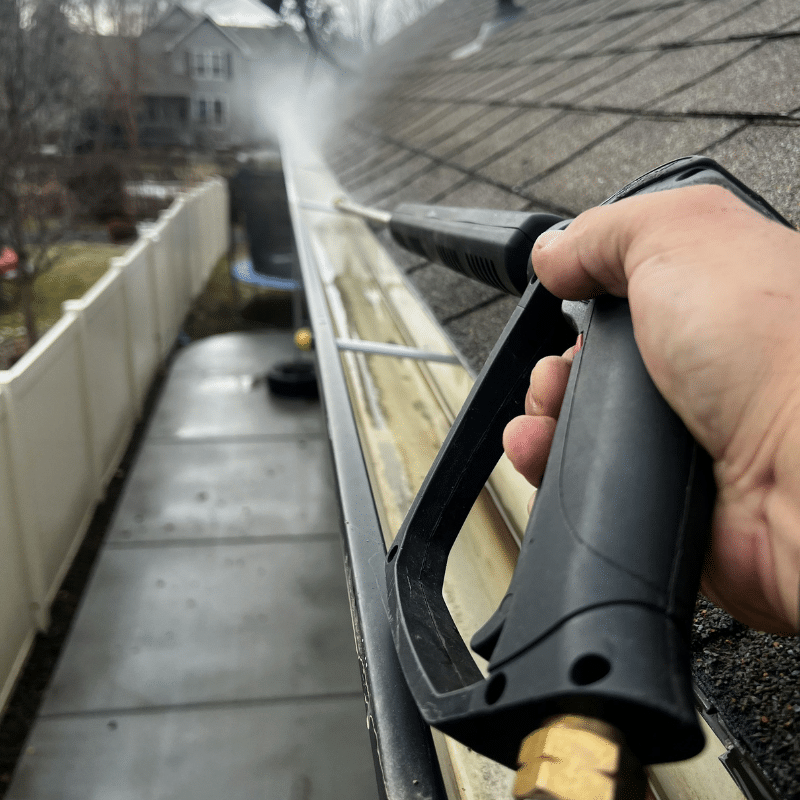
Gutter Cleaning in Action: Protecting Your Home Step by Step
These images highlight the importance of keeping gutters clear to avoid costly repairs and long-term damage.



1. How can I take care of my roof properly?
2. What is the best way to prevent roof damage?
3. How often should I check my roof?
4. How often should roof maintenance be done?
5. Why is gutter cleaning important?
6. What happens if gutters are not cleaned?
Stop Moisture Before It Destroys More Than Your Siding
Moisture damage doesn’t announce itself—it works quietly behind your siding, weakening your home from the inside out. The sooner it’s identified, the easier and more affordable it is to stop.
👉 Schedule a professional siding inspection today
Protect your home before hidden moisture becomes irreversible damage.