
Gutters, Fascia & Soffit by Rolando Roofing LLC

Many property owners focus on shingles, siding, or windows while paying little attention to the roofline perimeter. However, the outer edge of the home plays a significant role in directing water, enclosing exposed structural areas, and preserving the finished appearance of the property.
This perimeter commonly includes three connected elements: gutters, fascia, and soffit. Together, they influence both exterior performance and visual continuity.
Water Does Not Leave a Roof by Accident
Rainwater flowing from the roof surface needs direction. Without an organized path, runoff may fall near walls, entry areas, planting beds, and lower structural zones. Gutters are commonly used to create that controlled movement from roof edge to ground discharge points.
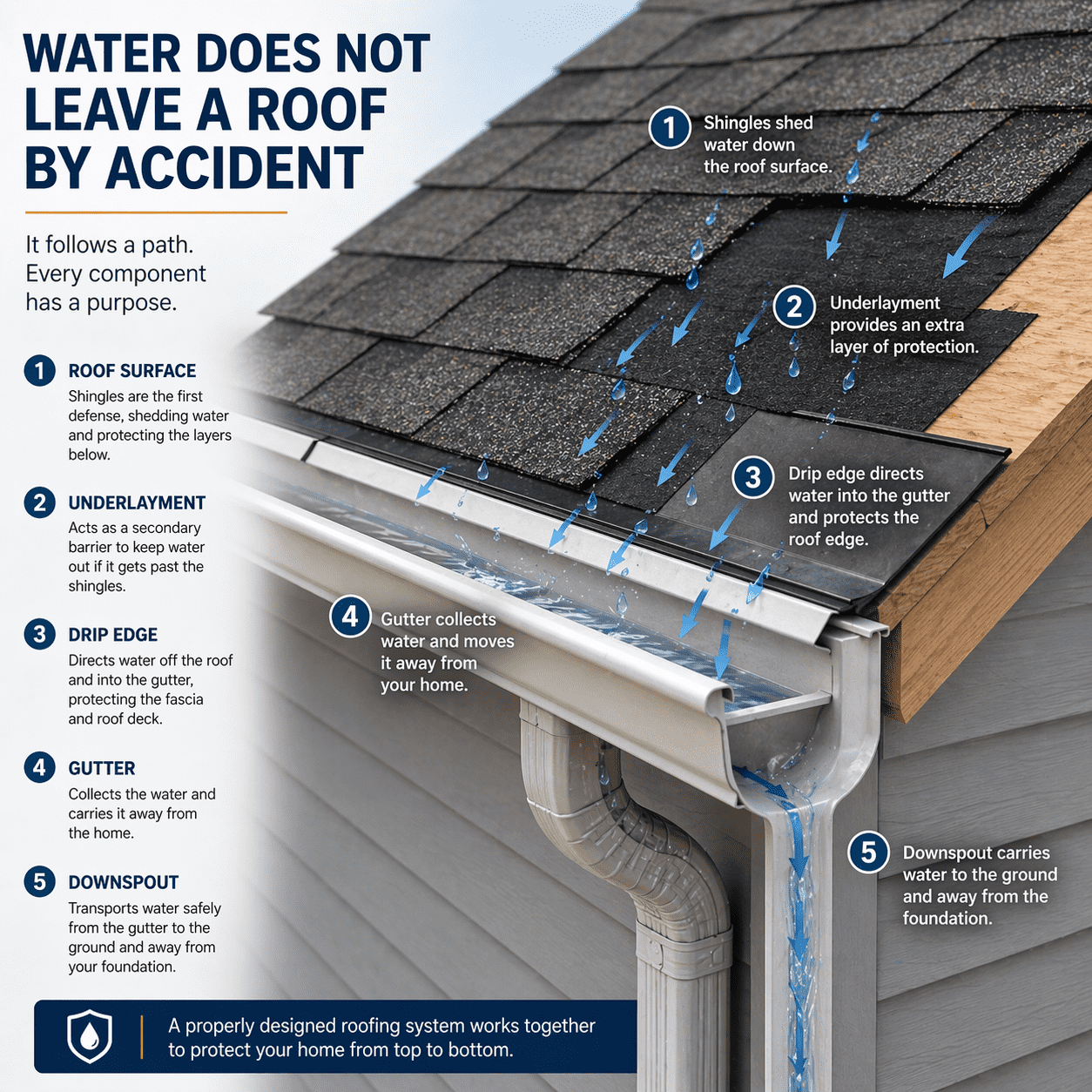
Typical Water Path
| Stage | Movement |
|---|---|
| Roof Surface | Water runs downward |
| Gutter Channel | Water collected |
| Downspout | Vertical direction |
| Exit Point | Water moved away |

The Board That Supports the Roofline
Fascia is generally positioned along the front roof edge and often serves as the mounting surface where gutter systems are attached.
It also creates a finished transition line visible from the street.
Because fascia remains exposed to weather cycles, maintaining its condition can be important for both support and appearance.
Airflow Hidden Beneath the Overhang
Soffit is commonly located underneath roof overhang sections. While less visible than gutters, it often contributes to enclosure and ventilation. In vented designs, soffit openings may assist airflow movement into attic-related spaces.

Common Soffit Configurations
| Type | General Use |
|---|---|
| Solid Panel | Closed underside finish |
| Vented Panel | Airflow passage design |
| Decorative Style | Architectural appearance |
Small Exterior Problems Can Grow Quietly
Roofline issues often begin gradually. A minor drip, loosened section, staining mark, or blocked channel may appear insignificant at first. Over time, these conditions can become more noticeable and may affect nearby materials.
Frequently Observed Conditions
| Visible Change | Often Indicates |
|---|---|
| Overflow during rain | Restricted drainage |
| Separated gutter line | Support movement |
| Soft trim areas | Moisture exposure |
| Animal access sounds | Open soffit gaps |
| Paint breakdown | Weather wear |
Why Matching Materials Matters
Because gutters, fascia, and soffit are visible from ground level, they contribute to the overall look of the home. Mismatched colors or isolated replacements may interrupt the exterior design line. Coordinated material planning often helps preserve a cleaner roofline appearance.
Exterior Coordination Examples

| Home Feature | Often Matched With |
|---|---|
| White Siding | White fascia / gutters |
| Brick Exterior | Neutral trim tones |
| Dark Roofing | Black or bronze gutters |
| Modern Homes | Crisp linear finishes |
Seasonal Conditions Across TN, VA & NC
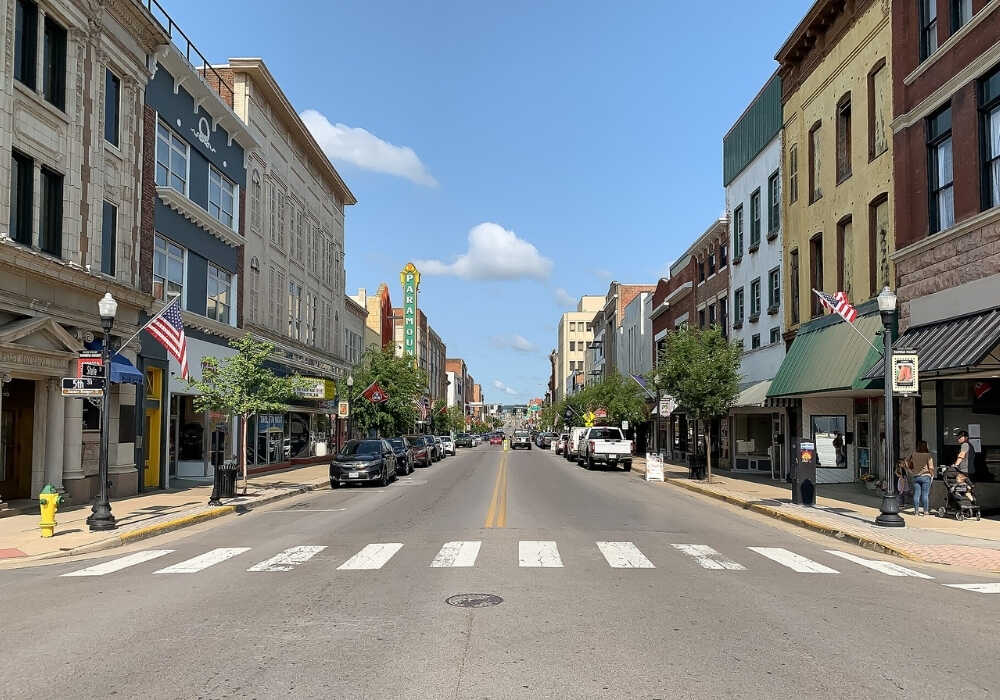
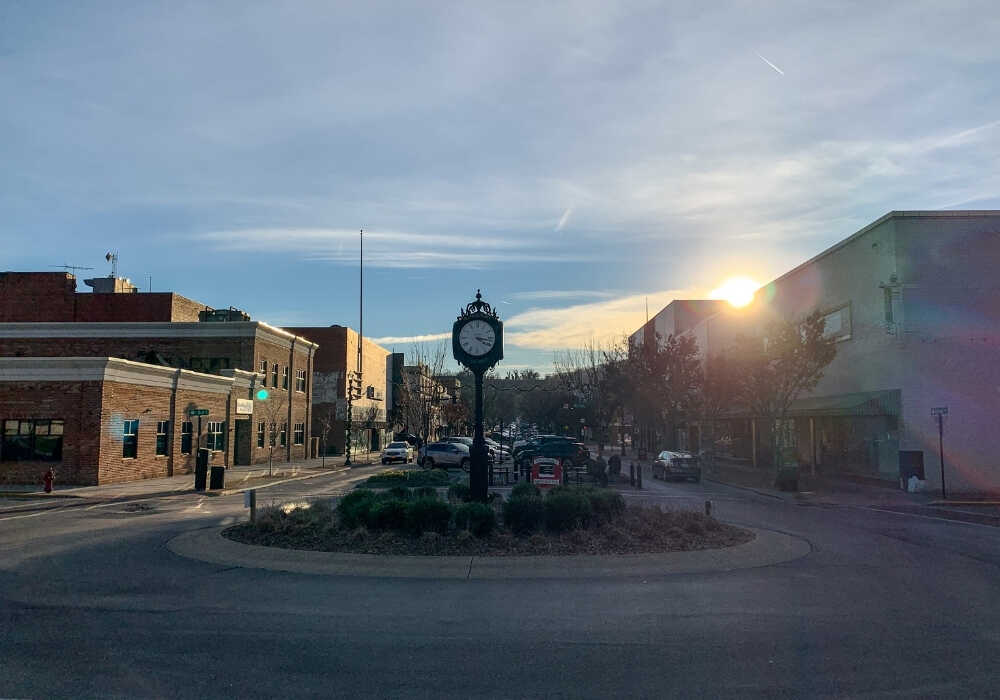
Homes in Tennessee, Virginia, and North Carolina may experience leaf buildup, rainfall cycles, humidity shifts, storm debris, and temperature changes. These conditions can place attention on drainage systems and exposed perimeter components throughout the year.
Regional experience helps identify how climate patterns may influence roofline upkeep timing.



Why Many Owners Update All Three Together
When one perimeter component has aged significantly, nearby sections may already show wear from the same timeline. For that reason, some property owners consider addressing gutters, fascia, and soffit during the same project cycle.
Comparison
| Approach | Benefit |
|---|---|
| Isolated Repair | Targets one section |
| Coordinated Upgrade | Unified appearance and planning |
Rolando Roofing LLC

Personal Information
- Owner: Rolando Vicente
- Phone: (423) 429-4023
- Emails: rv9818694@gmail.com
Professional Information
- Service Focus: Gutters / Fascia / Soffit
- Project Type: Residential Exterior
- Experience: +9 Years
- Office addresses: Johnson City, TN; Bristol, VA; Asheville, NC
- Emails: info@rolandoroofingllc.com
- Additional Services: Metal Roofing, Gutters, Fascia, Soffit, Siding, Drywall, Painting