How Much Does It Cost to Replace a Roof in 2026?
With changing material prices, local labor rates, and seasonal weather conditions in Northeast Tennessee, roofing costs can vary significantly. This guide breaks down actual local pricing, what insurance covers, and how to save money on roof repairs without risking quality.


Average Roof Replacement Cost in Johnson City, TN (2026)
In Johnson City, TN, the average roof replacement cost in 2026 is influenced by local labor rates, material availability, and seasonal demand. While national averages provide a general idea, homeowners in Northeast Tennessee typically benefit from slightly lower installation costs compared to larger metropolitan areas.
For a standard single-family home, most roofing projects fall within:
$6,500 to $15,500 total project cost
$3.50 to $8.50 per square foot installed
This price range usually includes:
✔ Removal of existing roofing materials (tear-off)
✔ Installation of underlayment and new roofing system
✔ Basic flashing and ventilation adjustments
✔ Cleanup and disposal of debris
However, it’s important to understand that no two roofs are priced the same. Homes near areas like E 7th Ave often vary in roof size, pitch, and age, which directly impacts the final estimate.
Roofing Material Costs in Johnson City
Asphalt Shingles (Most Common in TN)
- $3.50 – $6.50/sq. ft.
- Best option for residential remodeling
- Performs well in Tennessee’s seasonal climate
Metal Roofing (Growing Demand)
- $7 – $13/sq. ft.
- Ideal for heavy rain and storm resistance
- Popular upgrade in modern remodeling projects
Architectural Shingles
- $5 – $8/sq. ft.
- Better durability than basic shingles
- Great ROI for resale value
Flat Roofing Systems (TPO / EPDM)
- $5 – $9/sq. ft.
- Used in some residential and commercial properties
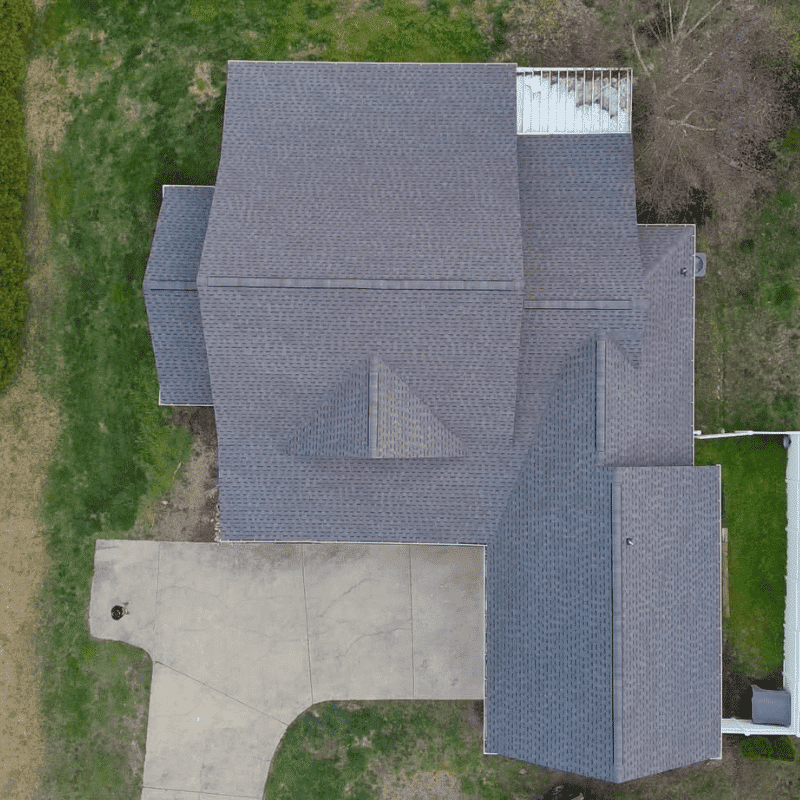
Real Roof Transformations Near You
Cost Example Based on Roof Size
To give you a clearer picture:
- 1,200 sq. ft. roof: $4,200 – $10,200
- 1,800 sq. ft. roof: $6,300 – $15,300
- 2,500 sq. ft. roof: $8,750 – $21,250
👉 Larger homes or complex roof designs will naturally increase labor time and material usage.
Why Prices Vary in Johnson City
Several local factors affect roofing costs in this region:
- Seasonal demand: Prices may increase during peak roofing months (spring & summer)
- Storm-related demand: After heavy winds or hail, material and labor costs can spike
- Material supply chain: Regional availability can impact pricing for shingles and metal panels
- Home age: Older homes in Johnson City may require additional structural repairs
Important Pricing Insight
Many homeowners focus only on the initial quote, but the true cost of a roof replacement also depends on quality.
A lower estimate may exclude:
- Upgraded underlayment
- Proper ventilation systems
- Ice and water shield protection
- Warranty-backed installation
👉 Investing in a properly installed roofing system reduces the risk of future leaks, mold, and structural damage, which can be far more expensive than the initial replacement cost.
Pro Tip for Homeowners
✔ Transparent pricing
✔ High-quality materials
✔ Proven local experience
✔ Strong warranties
This ensures your roofing investment lasts 20–30+ years without major issues.
What Does Roof Insurance Cover in Tennessee?
For homeowners in Tennessee—especially in areas like Johnson City, TN—understanding what your homeowners insurance policy covers for roof damage can mean the difference between paying out of pocket or saving thousands of dollars on your roofing project.
In most cases, insurance coverage depends on the cause of the damage, the age of the roof, and the specific terms of your policy.
Covered Roof Damage (Sudden & Accidental Events)
Homeowners insurance policies in Tennessee typically cover roofing damage caused by unexpected events, also known as covered perils. These include:
- Wind damage from storms (very common in Northeast Tennessee)
- Hail damage, which can weaken shingles and cause leaks
- Falling trees or debris during severe weather
- Fire or lightning damage
- Vandalism or accidental impact
If your roof is damaged under these conditions, your insurance may cover:
- Full roof replacement (if damage is extensive)
- Partial repairs (localized damage)
- Labor and material costs
- Emergency protection (temporary tarping)
Coverage Depends on Roof Age and Condition
One of the most important factors in Tennessee claims is roof age.
- Roofs under 10–15 years old are more likely to qualify for full replacement coverage
- Older roofs may only qualify for depreciated value payouts (ACV)
- Roofs past their lifespan may be denied entirely
This is why regular maintenance and documentation are critical for successful claims.
What Roof Insurance Does NOT Cover
Insurance companies are very strict when it comes to preventable damage. Most policies will not cover:
- Normal wear and tear
- Aging or deteriorated shingles
- Long-term leaks or moisture damage
- Poor installation or contractor errors
- Lack of maintenance (missing inspections, neglect)
In Tennessee, many claims are denied because damage is classified as gradual deterioration instead of storm-related impact.
Step-by-Step: How to File a Roof Insurance Claim in Tennessee
Filing a roof insurance claim in Tennessee—especially in areas like Johnson City, TN—requires more than just calling your insurance company. To maximize your chances of approval and receive a fair payout, you need to follow a structured process and avoid common mistakes.
Below is a step-by-step breakdown to help homeowners navigate the claims process efficiently and protect their investment.
- Schedule a professional roof inspection
A licensed contractor identifies storm-related damage - Document everything
Photos, videos, and written reports increase claim success - Contact your insurance company
File the claim as soon as possible after the event - Meet the insurance adjuster
They inspect the roof and validate the damage - Review the estimate and payout
Ensure all damages are properly included
Why Choose Us for Your Roofing Project in Johnson City, TN
Local Roofing Experts Who Understand Tennessee Weather
We know how storms, humidity, and seasonal changes impact roofs in Northeast Tennessee. Our solutions are built to withstand local conditions and extend your roof’s lifespan.
Honest, Transparent Pricing With No Surprises
We provide detailed estimates based on real market costs in Johnson City—no hidden fees, no guesswork, just clear and competitive pricing.
Insurance Claim Assistance From Start to Finish
Dealing with insurance can be stressful. We help you Document damage properly, Meet with adjusters, Maximize your claim approval
High-Quality Materials Built for Long-Term Performance
We use only trusted roofing materials designed for durability, energy efficiency, and long-term protection—so you don’t have to worry about premature repairs.
Licensed, Insured, and Experienced Professionals
Our team follows all Tennessee building codes and safety standards, ensuring your project is completed correctly the first time.
Fast Turnaround Without Compromising Quality
We understand that roofing issues can’t wait. Our team delivers efficient project timelines while maintaining high workmanship standards.
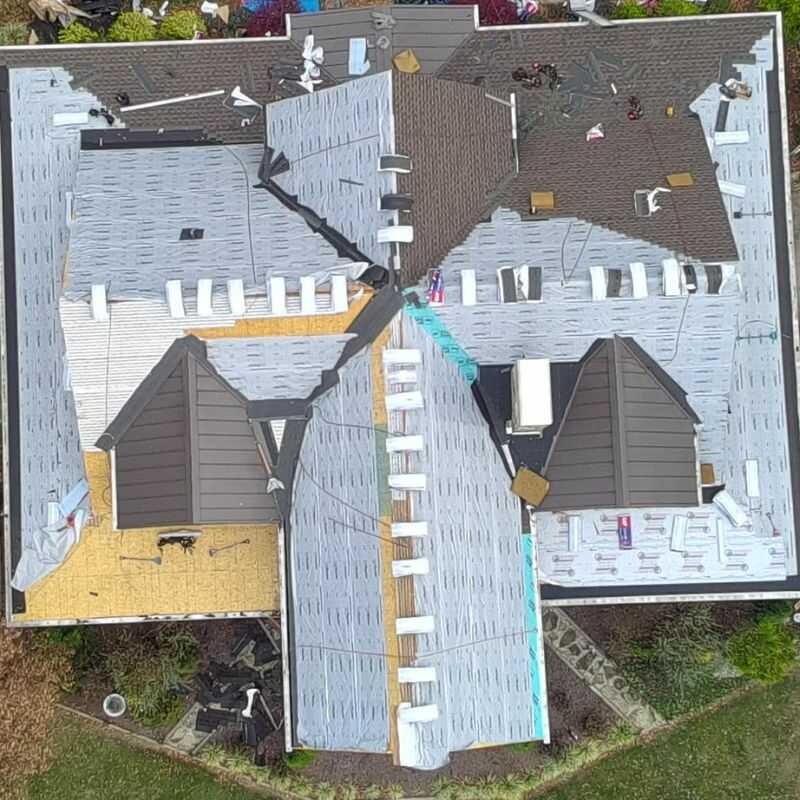
Swipe Through Our Latest Roofing Projects
See real roofing results from homeowners in Johnson City, TN. Each project reflects our commitment to quality craftsmanship, durable materials, and long-lasting protection. From storm-damaged roofs to full replacements, we deliver results you can trust.



1. How much does it cost to replace a roof in Johnson City, TN?
2. Does homeowners insurance cover roof replacement in Tennessee?
3. How long does a roof replacement take?
4. Should I repair or replace my roof?
5. What is the best roofing material for homes in Tennessee?
6. When is the best time to replace a roof in Johnson City, TN?
Protect Your Home Before Hidden Siding Damage Gets Worse
Winter siding damage doesn’t announce itself. It develops quietly, behind the panels, until spring rains and humidity expose the problem. Addressing early warning signs now protects your structure, energy efficiency, and long-term investment.
👉 Schedule a professional siding inspection today
Catch hidden damage early—before it turns into major repairs.