

Siding Problems: How to Identify and Fix Them Fast
Discover the most common siding problems and learn quick, professional fixes to protect your home’s exterior and boost curb appeal. Understanding Common Siding Problems for
Serving Johnson City, TN
Serving Briston, VA
Serving Asheville, NC
Mon-Sat: 8.00am-6.00pm
After a season of heavy rainfall, strong winds, and summer storms, homeowners may notice that sections of their gutters are sagging, leaning forward, or pulling away from the roofline. These changes are more than an appearance problem. A damaged gutter system may no longer direct water efficiently away from the roof, fascia, siding, and foundation.
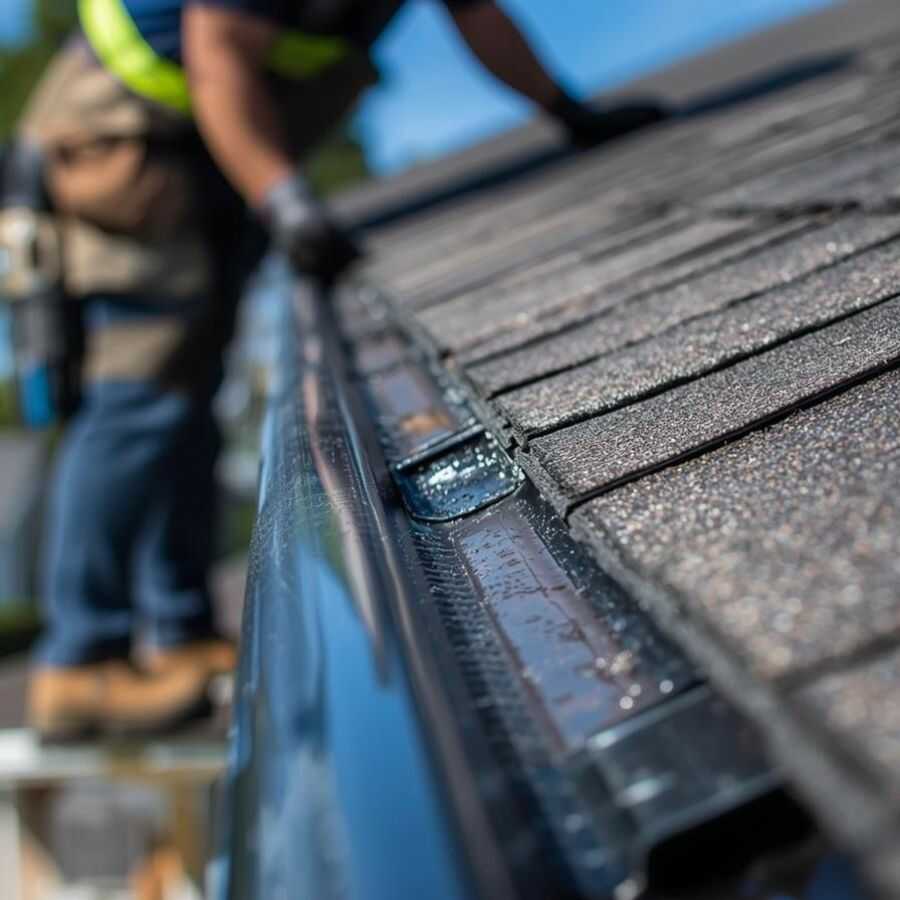

Gutters are designed to collect rainwater from the roof and direct it toward the downspouts. To work correctly, each section must remain securely attached to the fascia and maintain a slight slope that allows water to move without collecting inside the channel. When the gutter system becomes overloaded or its supports weaken, sections may begin to sag.
Clogs are one of the most common causes of sagging gutters. Leaves, twigs, roofing particles, dirt, and other debris can prevent normal drainage and add significant weight when they become saturated with rainwater. A gutter that repeatedly holds standing water may place more pressure on its hangers and attachment points.
Summer storms can worsen existing gutter damage. Heavy rainfall may fill a blocked channel faster than the downspouts can drain it, while strong winds can loosen sections or move branches against the system. Gutters that were already slightly misaligned may become more noticeably separated after repeated storms.
Loose, damaged, or widely spaced hangers can also allow gutters to pull away from the fascia. Over time, fasteners may loosen, wood around the attachment points may deteriorate, or sections may bend under excessive weight. When the fascia is soft, rotted, or damaged by moisture, new gutter fasteners may not remain secure without addressing the underlying wood damage.
Improper gutter slope is another possible cause. If one area sits lower than the rest of the system, water can pool instead of flowing toward the nearest downspout. The continued weight of standing water may deepen the sag and eventually contribute to leaks, overflowing, or separated gutter joints.
Visible sagging is one of the clearest signs that a gutter system needs attention, but other warning signs may appear first. Homeowners may notice uneven gutter lines, loose fasteners, gaps between the gutter and fascia, or sections that move during wind and rainfall.
Overflowing water is another important warning sign. When rainwater spills over the front edge, runs behind the gutter, or pours from an isolated section, the system may be clogged, improperly sloped, undersupported, or unable to handle the available drainage. Overflow near the roofline may expose fascia, soffit, siding, and exterior paint to repeated moisture.
Water remaining inside the gutters after the rain has stopped may indicate a low area or incorrect slope. Small amounts of moisture may remain temporarily, but deep standing water that does not move toward a downspout suggests that the gutter alignment should be evaluated.
Homeowners should also look for soil erosion, landscape washout, water marks on siding, peeling exterior paint, or puddles near the foundation. These symptoms may develop when sagging or leaking gutters release water in areas that were not designed to receive concentrated runoff.
Loose brackets, rusted fasteners, cracked seams, bent sections, and damaged fascia can indicate that the gutter problem involves more than a simple clog. Identifying these signs before fall allows Johnson City property owners to address drainage concerns before additional rain and falling leaves place greater stress on the system.
Loose, damaged, or widely spaced hangers can also allow gutters to pull away from the fascia. Over time, fasteners may loosen, wood around the attachment points may deteriorate, or sections may bend under excessive weight..
Maintain a consistent slope
Direct water toward downspouts
Sit securely against the fascia
Distribute weight across multiple hangers
Drain without frequent overflow
Develop visible low areas
Hold standing water after rain
Pull away from the roofline
Place excess pressure on limited supports
May leak, overflow, or separate at joints
Small amount of debris buildup
One loose hanger
Minor joint seepage
Slightly uneven drainage
Isolated overflow during heavy rain
Large sections pulling from the fascia
Multiple missing or damaged supports
Repeated leaks along several seams
Deep standing water in long sections
Frequent runoff behind the gutter
Sagging gutters can affect more than the drainage system itself. When gutter sections lose their slope or pull away from the roofline, rainwater may overflow, leak behind the channel, or discharge in areas that were not designed to handle concentrated runoff. Over time, this uncontrolled moisture can affect fascia boards, soffits, siding, exterior paint, landscaping, and areas near the foundation.The fascia is especially vulnerable because gutter hangers and fasteners are commonly attached to it. When rainwater repeatedly runs behind a sagging gutter, the wood may absorb moisture and begin to soften, stain, or deteriorate. Once the fascia becomes damaged, the gutter system may lose additional support and pull farther away from the house.
Soffit materials may also be affected when water moves behind the gutter and beneath the roof edge. Homeowners may notice discoloration, peeling paint, swelling, or visible moisture near the eaves. Continued exposure can affect the appearance and condition of surrounding exterior materials.Water marks on siding or exterior walls may indicate that runoff is spilling over instead of traveling toward the downspouts. Repeated moisture can contribute to peeling exterior paint, staining, algae growth, or deterioration around seams and trim. These symptoms should not be treated only as cosmetic problems until the gutter drainage has been evaluated.
Near ground level, overflowing gutters can create puddles, wash away mulch, damage plants, or erode soil around the foundation. Although one rainfall may not cause significant damage, repeated uncontrolled runoff can create ongoing moisture concerns. Correcting sagging gutters before fall can help protect several connected parts of a Johnson City property.Chimney flashing is especially important because water can collect along the upper side of the chimney and move toward the surrounding shingles. Step flashing is commonly placed where the chimney meets the roof, while counter flashing helps prevent water from entering behind the metal. If either component becomes loose, damaged, or separated from the masonry, a chimney flashing leak may develop.
Roof vent flashing problems often occur when rubber boots crack, metal bases corrode, or sealant deteriorates around plumbing and exhaust vents. These components remain exposed to sunlight, rain, temperature changes, and debris throughout the year. Even a small opening around a vent pipe can allow moisture to reach the roof decking and attic insulation.Skylight flashing must manage water around all sides of the skylight frame. Leaves, branches, and other debris may collect above the unit and interfere with normal drainage. Improper installation, damaged shingles, loose flashing, or deteriorated seals can increase the possibility of a skylight leak during fall rainfall.
Roof valleys and wall intersections also require careful attention. Valleys carry concentrated runoff from multiple roof slopes, while roof-to-wall flashing protects the joint between shingles and vertical siding or masonry. Because these areas handle significant amounts of water, small roof flashing defects can become more noticeable during prolonged rain.
Look beneath sagging gutter sections for staining on fascia, soffits, siding, and exterior walls. Visible damage directly below a low or separated section can help identify where water is escaping.
A common mistake is repairing peeling paint or replacing damaged fascia without correcting the gutter problem that caused the moisture exposure. The new materials may become damaged again if water continues overflowing or leaking behind the gutter.
Water moves toward downspouts
Fascia remains protected from repeated moisture
Siding stays cleaner and drier
Landscaping receives normal rainfall
Water is directed away from the property
Water spills over or behind gutters
Fascia may soften or deteriorate
Water stains may develop on exterior walls
Soil and mulch may wash away
Puddles may form near the foundation
Many sagging gutter problems can be repaired when the damage is limited and the main gutter sections remain in usable condition. The appropriate repair depends on why the gutter lost its alignment, how much of the system is affected, and whether the fascia can still support the fasteners.
Replacing loose, damaged, or missing hangers is one possible gutter repair. New supports may help lift the channel back into position and distribute its weight more evenly. However, adding hangers without checking the gutter slope and fascia condition may not provide a lasting solution.
Gutter realignment may be necessary when one section has developed a low point that holds standing water. Adjusting the slope can help runoff move toward the downspout instead of collecting inside the channel. This repair requires careful positioning because a gutter that is too level or slopes in the wrong direction may continue overflowing.
Leaking joints, separated seams, and small openings may sometimes be resealed after the damaged areas are cleaned and evaluated. Bent sections can occasionally be repositioned, although severely deformed gutters may not return to their original shape or drain efficiently.
Before completing gutter repair, damaged fascia should be addressed. Fasteners installed into soft or deteriorated wood may loosen again, causing the repaired gutter to sag after future rainstorms. A complete evaluation should consider the hangers, slope, joints, downspouts, fascia, and overall condition of the drainage system.
Before repairing a loose section, determine whether the problem is caused by damaged hangers, incorrect slope, clogged downspouts, or weakened fascia. Correcting only one symptom may allow the sagging to return.
A frequent mistake is installing additional screws through the gutter without confirming where secure support is available. Random fasteners may create holes, distort the channel, or fail to hold when the fascia is already damaged.
Identifies the cause of sagging
Checks hangers and fascia condition
Restores proper drainage slope
Evaluates seams and downspouts
Supports longer-lasting performance
Pushes the gutter back into place
Ignores weakened attachment points
Focuses only on visible alignment
Leaves existing clogs or leaks
May fail after the next heavy rain
Gutter replacement may be more appropriate when damage is widespread or several sections of the system are no longer functioning correctly. A single loose hanger or minor seam leak may be repairable, but repeated sagging, extensive corrosion, multiple separations, and ongoing overflow can indicate a larger drainage problem.
Long gutter sections that are bent, twisted, or pulling away in several locations may be difficult to realign successfully. Even when one area is repaired, the remaining damaged sections may continue holding water or placing stress on the fascia. A replacement system can provide consistent slope and support across the affected roofline.
Corrosion and holes should also be considered. Small isolated openings may sometimes be repaired, but gutters with widespread rust or thinning material may continue developing leaks. Repeatedly sealing individual spots may become less practical when the system is deteriorating throughout.
Multiple failed joints can be another reason to consider gutter replacement. Sectional gutters contain connections where leaks may develop over time. When several seams separate or require recurring repairs, replacing damaged runs—or possibly the broader system—may provide a more dependable drainage solution.
The condition of the fascia and downspouts should be included in the decision. Gutter replacement alone will not solve deteriorated wood, blocked underground drainage, or improperly positioned downspouts. Property owners should evaluate the full water-management system before deciding whether repair or replacement is the better option.
Review how often the gutter system has required repairs. If different sections continue failing or overflowing despite maintenance, replacement may offer a more complete solution than another isolated repair.
A common mistake is replacing only the most visibly damaged section without checking whether adjoining gutters share the same corrosion, slope, or support problems. This can leave the property with an incomplete drainage solution.
Suitable for isolated damage
Replaces limited hangers or seals
Works when the channel remains functional
May restore minor slope problems
Depends on secure fascia and usable materials
Better for widespread deterioration
Updates damaged gutter runs or systems
Helps correct multiple sagging sections
Establishes more consistent drainage
Appropriate when existing materials repeatedly fail
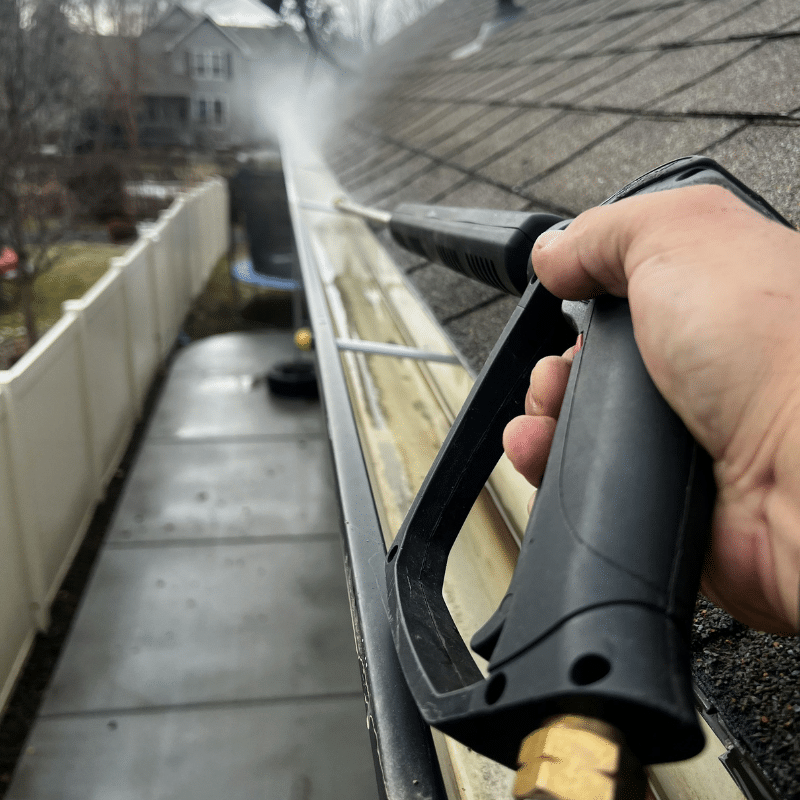

Some gutter problems are easy to recognize from the ground, while others require a closer evaluation of the drainage system. A visibly sagging section may be caused by loose hangers, but the underlying issue could also involve deteriorated fascia, poor gutter slope, damaged joints, or a blocked downspout.
A professional gutter evaluation can help determine whether the damage is isolated or affects multiple areas. Checking the alignment, fastening points, seams, drainage slope, and downspouts together provides a clearer understanding of why the gutter system is no longer performing correctly.
The fascia behind the gutters is especially important. When moisture has repeatedly traveled behind a loose gutter, the attachment surface may become weakened. Simply installing new hangers without addressing damaged fascia may allow the gutter to loosen again after future rainfall.
Professional evaluation can also help homeowners compare gutter repair and replacement based on the actual condition of the system. A limited repair may make sense for one damaged section, while widespread corrosion, repeated leaks, or several sagging areas may justify replacing more of the drainage system.
For Johnson City homeowners, evaluating storm-damaged gutters before fall can provide time to address drainage concerns before additional rainfall and seasonal debris increase the demands placed on the system. The goal is to correct the source of the problem rather than repeatedly responding to overflow or visible sagging.
If one gutter section keeps sagging after previous adjustments, have the fascia and drainage slope checked rather than continuing to tighten the same fasteners.
A frequent mistake is focusing only on the gutter channel itself. The fascia, hangers, downspouts, seams, and drainage slope all influence how well the gutter system performs.
At Rolando Roofing LLC, we believe roofing should be straightforward, honest, and stress-free.
We understand how roofing, siding, windows, and doors work together to protect your home from weather and moisture damage.
Our inspections help identify hidden leaks, ventilation issues, and structural concerns affecting the exterior of your property.
Working with local roofing experts means choosing professionals who understand the area’s climate, building codes, and unique roofing needs
Our team focuses on quality installations and repairs built to withstand Tennessee weather conditions.
We provide durable solutions designed to improve energy efficiency and protect homes from long-term damage.
We help homeowners prevent costly structural damage and maintain the value and safety of their property.
A properly functioning gutter system is part of a larger exterior water-management system. Rainwater begins on the roof, travels toward the roof edges, enters the gutters, moves through the downspouts, and should ultimately be discharged away from vulnerable areas of the property.
When sagging gutters disrupt this process, water may reach fascia, soffits, siding, windows, exterior paint, landscaping, and areas near the foundation. These materials perform different functions, but they all benefit when roof runoff is controlled and directed appropriately.
Fascia and soffit areas are particularly connected to gutter performance. Water flowing behind a gutter can repeatedly expose these components to moisture. If fascia deterioration develops, it may also reduce the ability of the gutter system to remain securely attached to the roofline.
Siding and exterior finishes can also show symptoms of poor drainage. Water streaks, peeling paint, staining, or persistent damp areas may appear beneath sections that overflow regularly. Correcting the drainage source is important before repeatedly repairing the visible exterior damage.
Maintaining gutters, downspouts, fascia, and related roof-edge components as connected systems can help property owners identify problems earlier. Instead of treating sagging gutters as an isolated cosmetic concern, homeowners can view effective drainage as an important part of protecting the broader exterior of the property.
Sagging gutters can result from several different issues, including damaged hangers, improper slope, clogged drainage, storm damage, leaking seams, and deteriorated fascia. Identifying the actual cause is important when determining whether gutter repair, maintenance, or replacement is appropriate.
Rolando Roofing LLC provides gutter installation, repair, and maintenance services for residential and commercial properties. With more than nine years of hands-on experience, the company can evaluate gutter condition together with related exterior components that may be affected by drainage problems.
The company also provides roofing, fascia and soffit, siding, door and window, drywall, and painting services. This range of exterior improvement solutions can be particularly useful when uncontrolled water has affected more than the gutter system itself.
Rolando Roofing LLC is based in Johnson City, Tennessee, and also serves published coverage areas that include Bristol, Virginia, and Asheville, North Carolina. Property owners can request a free estimate to discuss gutter damage and other exterior service needs.




Discover the most common siding problems and learn quick, professional fixes to protect your home’s exterior and boost curb appeal. Understanding Common Siding Problems for

Discover how proper roof ventilation prevents damage, improves energy efficiency, and extends your roof’s lifespan year-round. Understanding Roof Ventilation and Its Role in Roof Longevity

Cold weather causes tile cracks that worsen over time. Learn why it happens and when to hire professional tile repair services. Tile Cracking in Cold

roof Learn how Tennessee heat and humidity affect your roof during summer Summer in Tennessee brings more than just high temperatures—it creates extreme stress on

Winter cracks may signal deeper issues. Learn when drywall damage is normal and when to hire professional drywall repair services. Winter Cracks on Walls and

Roof Discover energy-efficient roofing materials that help Tennessee homeowners reduce cooling costs and improve comfort during hot summers. FREE INSPECTION How Energy-Efficient Roofing Can Keep
Winter siding damage doesn’t announce itself. It develops quietly, behind the panels, until spring rains and humidity expose the problem. Addressing early warning signs now protects your structure, energy efficiency, and long-term investment.
👉 Schedule a professional siding inspection today
Catch hidden damage early—before it turns into major repairs.