How to Choose a Roofing Contractor in Johnson City, TN
Choosing the right roofing contractor is one of the most important decisions you can make for your property. Learn what to verify, which questions to ask, and how to identify a reliable roofing company in Johnson City, TN.


Choosing the Right Roofing Contractor Protects More Than Your Roof
Your roof protects your home or commercial property from rain, wind, moisture, changing temperatures, and other outdoor conditions. When it needs repairs, maintenance, or replacement, the quality of the contractor you hire can directly affect the durability and performance of the entire roofing system.
Not every roofing company provides the same level of service. Some contractors may offer a low initial price without clearly explaining the materials, installation process, warranty, or additional work that may be required. Others may lack the local experience needed to recognize roofing problems common in the Johnson City area.
A dependable contractor should provide clear information, inspect the property carefully, explain the available options, and help you make a decision based on the actual condition of your roof.
Understanding what to look for can help you avoid poor workmanship, unexpected costs, incomplete repairs, and roofing problems that return after the project is finished.
Look for a Roofing Contractor with Local Experience
Hiring a local roofing contractor offers important advantages. A company that regularly works in Johnson City understands the conditions that roofing systems face throughout the year.
Local experience helps a contractor evaluate how rain, moisture, wind, temperature changes, debris, and seasonal storms may affect different roofing materials.
Knowledge of Local Roofing Conditions
A local roofing professional should understand how environmental conditions can affect:
- Asphalt shingles
- Metal roofing systems
- Roof flashing
- Valleys and roof penetrations
- Gutters and downspouts
- Fascia and soffit
- Attic ventilation
- Roof decking
This knowledge allows the contractor to recommend materials and repair solutions that are appropriate for the property instead of providing the same solution for every roof.
Familiarity with Local Requirements
Roofing projects may involve local building requirements, permits, manufacturer instructions, and installation standards. A contractor familiar with the area should be prepared to explain which requirements apply to your project.
This can help prevent delays and ensure the work is completed correctly from the beginning.
Verify the Contractor’s Experience and Roofing Services
Before hiring a roofing company, ask about its experience with the specific type of work your property needs.
A contractor may have experience with basic shingle repairs but limited knowledge of metal roofing, structural damage, commercial roofing, fascia, soffit, or gutter systems.
Ask About Similar Roofing Projects
A reliable contractor should be able to explain how they have handled projects such as:
- Roof leak repairs
- Missing or damaged shingles
- Storm-related roofing damage
- Complete roof replacement
- Metal roof installation
- Asphalt shingle installation
- Roof ventilation improvements
- Flashing repairs
- Fascia and soffit replacement
- Gutter installation and repair
Experience with similar projects helps the contractor recognize possible complications before work begins.
Residential and Commercial Roofing Experience
Residential and commercial properties may have different roofing materials, drainage systems, slopes, access requirements, and installation needs.
When requesting an estimate, confirm that the contractor has experience with your type of property and understands the scope of the project.
Request a Detailed Roof Inspection
A professional roofing recommendation should begin with an inspection.
A contractor should not recommend a complete replacement without first evaluating the condition of the roofing system. In the same way, a quick surface repair may not be enough when water has already reached the decking, insulation, attic, or interior walls.
What a Roofing Inspection Should Evaluate
Depending on the property, an inspection may include:
- Missing, cracked, loose, or curling shingles
- Rust, loose fasteners, or damaged metal panels
- Worn or separated flashing
- Problems around chimneys, vents, skylights, and pipes
- Soft or damaged roof decking
- Water stains or moisture in the attic
- Blocked or inadequate ventilation
- Sagging roof sections
- Damaged fascia and soffit
- Loose or overflowing gutters
- Signs of previous repairs
A complete inspection helps determine whether the problem is isolated or connected to a larger roofing issue.
Be Careful with Immediate Recommendations
A contractor who recommends expensive work without inspecting the property or explaining the damage may not be providing enough information.
The homeowner should understand:
- What is damaged
- Where the problem is located
- What may have caused it
- Whether repair is possible
- Why replacement may be necessary
- What could happen if the issue is ignored
Clear explanations are an important sign of professional service.
Ask for a Clear and Detailed Roofing Estimate
A roofing estimate should contain more than one final price.
It should clearly describe the work being proposed so you can understand what is included and compare estimates accurately.
Information That Should Appear in the Estimate
A detailed roofing estimate may include:
- Type of service
- Areas of the roof being repaired or replaced
- Roofing material and product information
- Removal of existing materials
- Decking repairs, when necessary
- Underlayment
- Flashing
- Ventilation components
- Cleanup and debris removal
- Estimated project schedule
- Warranty information
- Payment terms
If an estimate is unclear, ask the contractor to explain each part before agreeing to the project.
Understand the Roofing Materials Being Recommended

Questions to Ask About Roofing Materials
Before choosing a material, ask:
- Why is this material suitable for my roof?
- How should it perform under local conditions?
- What maintenance will it require?
- What colors and styles are available?
- What manufacturer warranty is included?
- Are there different quality levels?
- Will ventilation or underlayment need to be updated?
- How will the material affect the appearance of the property?
The contractor should help you understand the advantages and limitations of each option without pressuring you into a decision.
Manufacturer Instructions Matter
Quality materials can still fail when they are installed incorrectly.
Roofing products should be installed according to the manufacturer’s specifications, including requirements for fastening, underlayment, flashing, ventilation, and roof preparation.
Professional installation is essential for both roof performance and warranty protection.
Review Workmanship and Material Warranties
Roofing warranties are an important part of the hiring decision, but homeowners should understand that there may be more than one type.
Manufacturer Warranty
A manufacturer warranty generally applies to the roofing materials. Coverage depends on the product, installation requirements, and warranty conditions.
Ask the contractor to explain:
- What materials are covered
- How long the coverage lasts
- What may void the warranty
- Whether registration is required
- What documentation you will receive
Evaluate Communication and Professionalism
Communication before the project often provides a good indication of what you can expect during the work.
A professional roofing contractor should respond clearly, arrive as scheduled, explain delays, answer questions, and provide realistic expectations.
Signs of Professional Communication
Look for a contractor who:
- Responds within a reasonable time
- Provides clear explanations
- Does not pressure you to sign immediately
- Arrives for appointments as scheduled
- Keeps estimates and promises in writing
- Explains changes before completing additional work
- Provides project updates
- Answers questions respectfully
Poor communication at the beginning of the process may become a larger problem once the roofing work starts.
Why Homeowners Trust Rolando Roofing LLC
At Rolando Roofing LLC, we believe roofing should be straightforward, honest, and stress-free.
Experienced Exterior Specialists
We understand how roofing, siding, windows, and doors work together to protect your home from weather and moisture damage.
Detailed Home Exterior Inspections
Our inspections help identify hidden leaks, ventilation issues, and structural concerns affecting the exterior of your property.
Local roofing experts
Working with local roofing experts means choosing professionals who understand the area’s climate, building codes, and unique roofing needs
High-Quality Materials and Workmanship
Our team focuses on quality installations and repairs built to withstand Tennessee weather conditions.
Reliable Repair and Replacement Solutions
We provide durable solutions designed to improve energy efficiency and protect homes from long-term damage.
Long-Term Home Protection
We help homeowners prevent costly structural damage and maintain the value and safety of their property.
What Professional Roofing Work Should Look Like
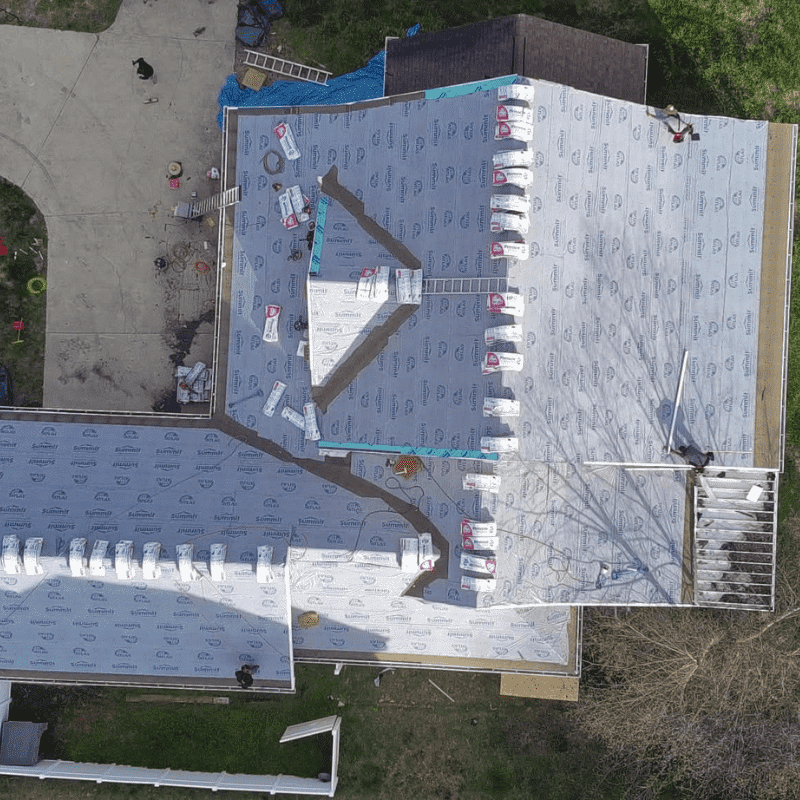
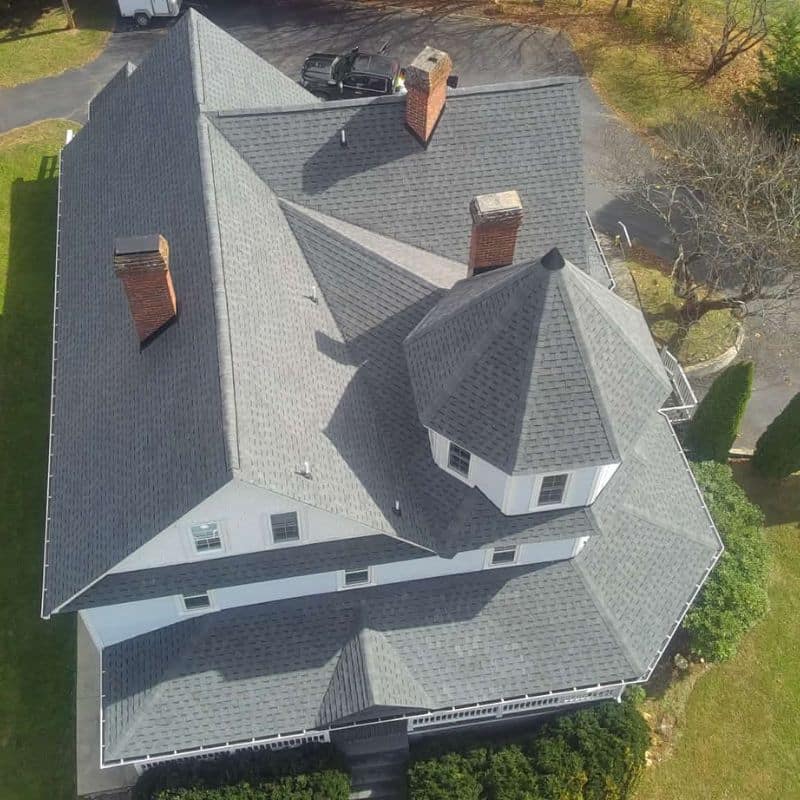
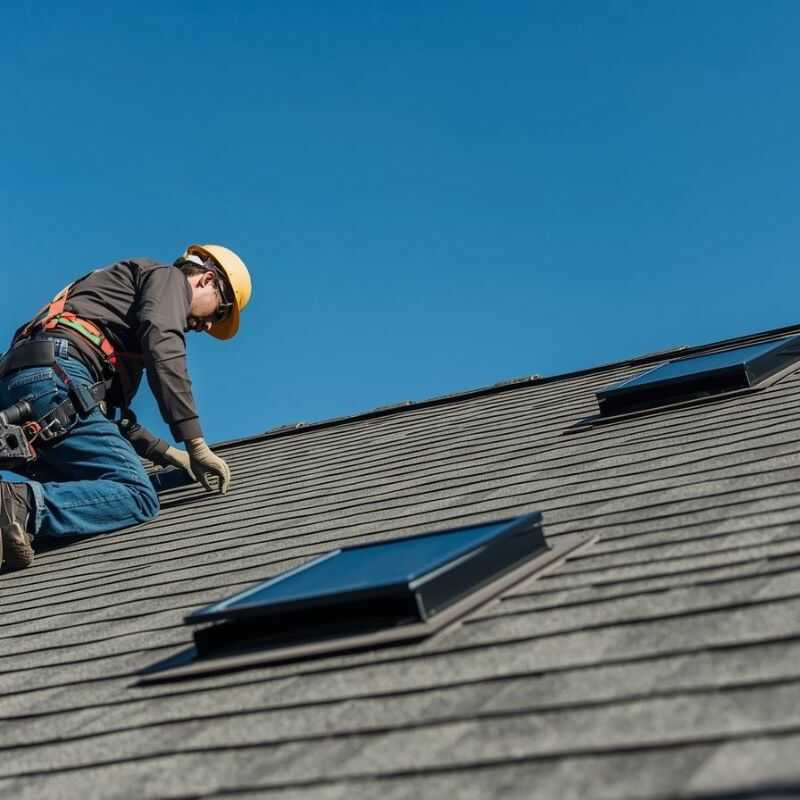
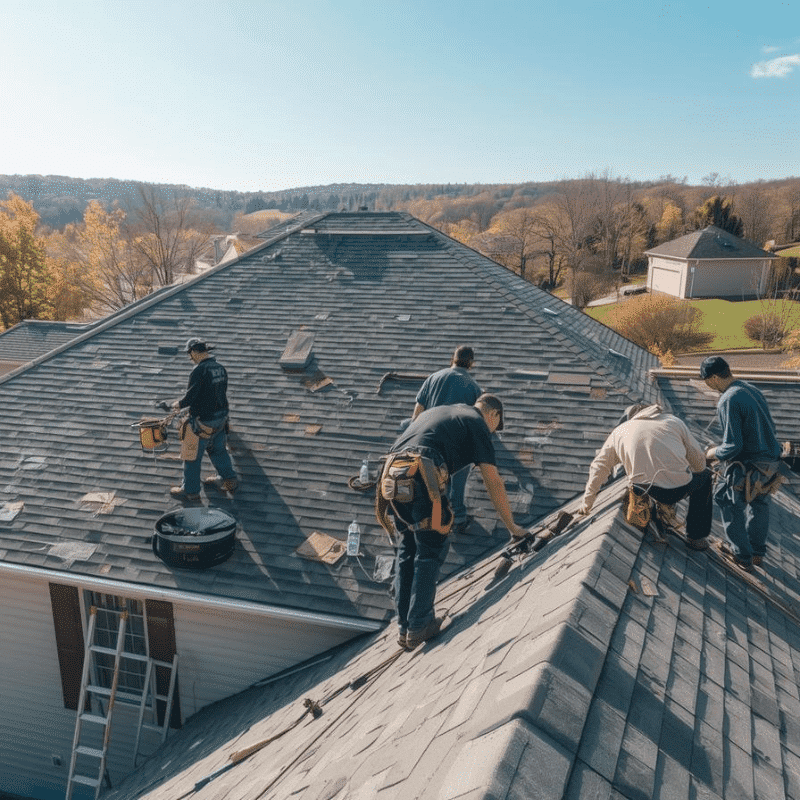
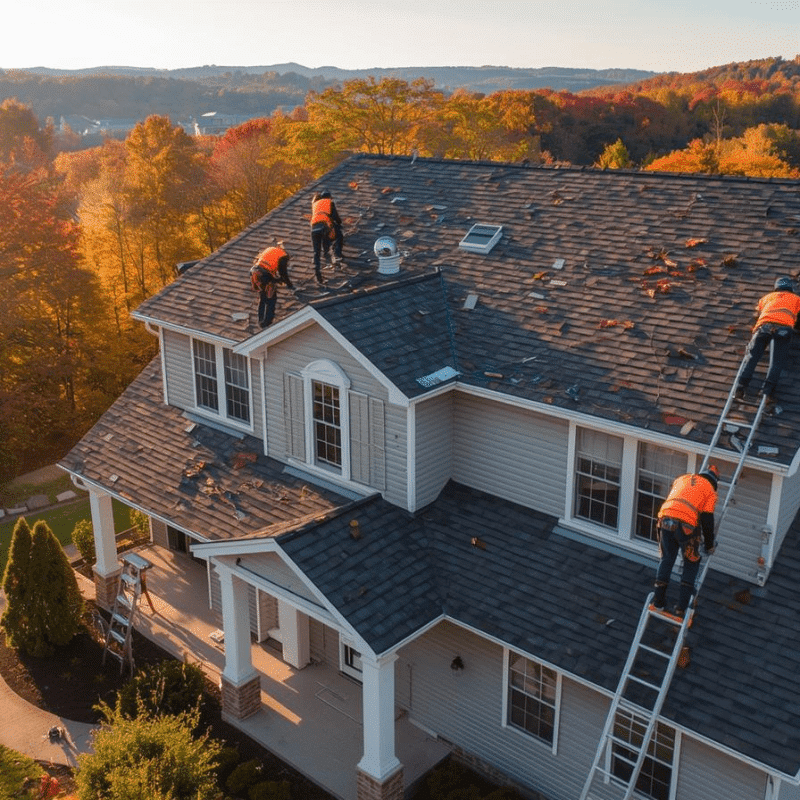
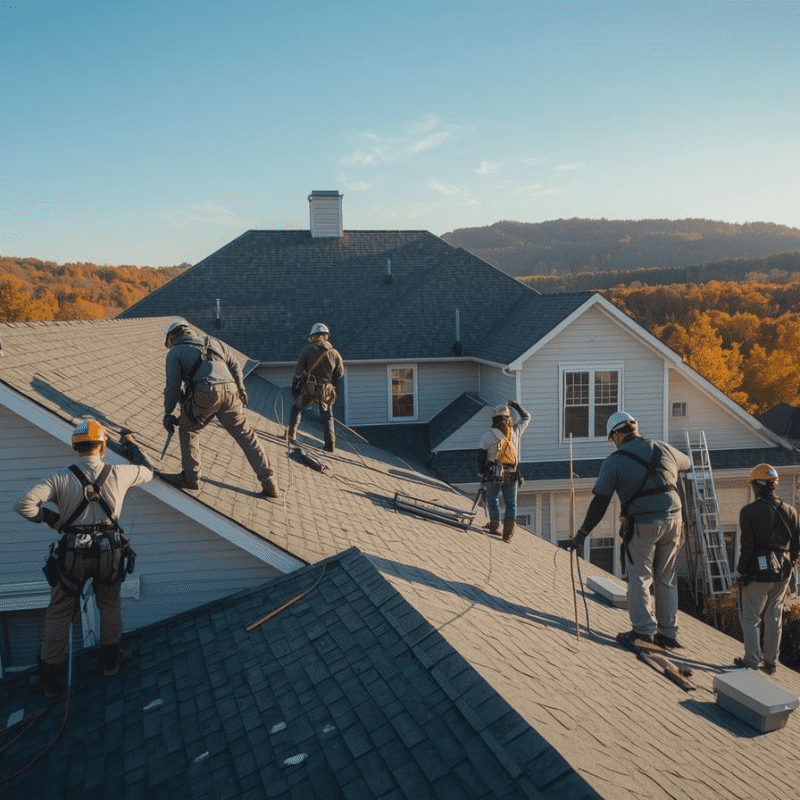
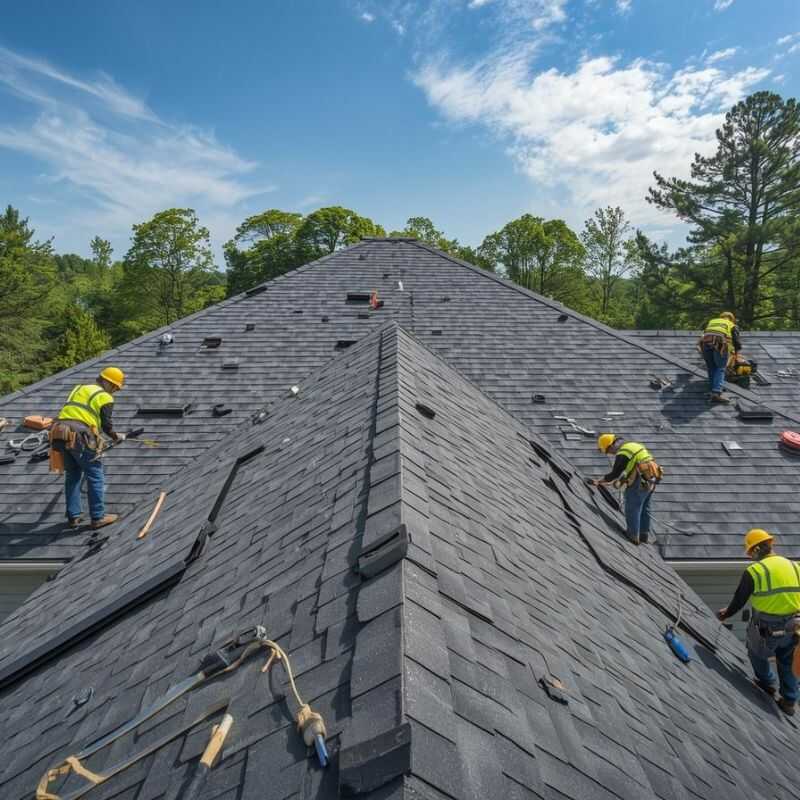
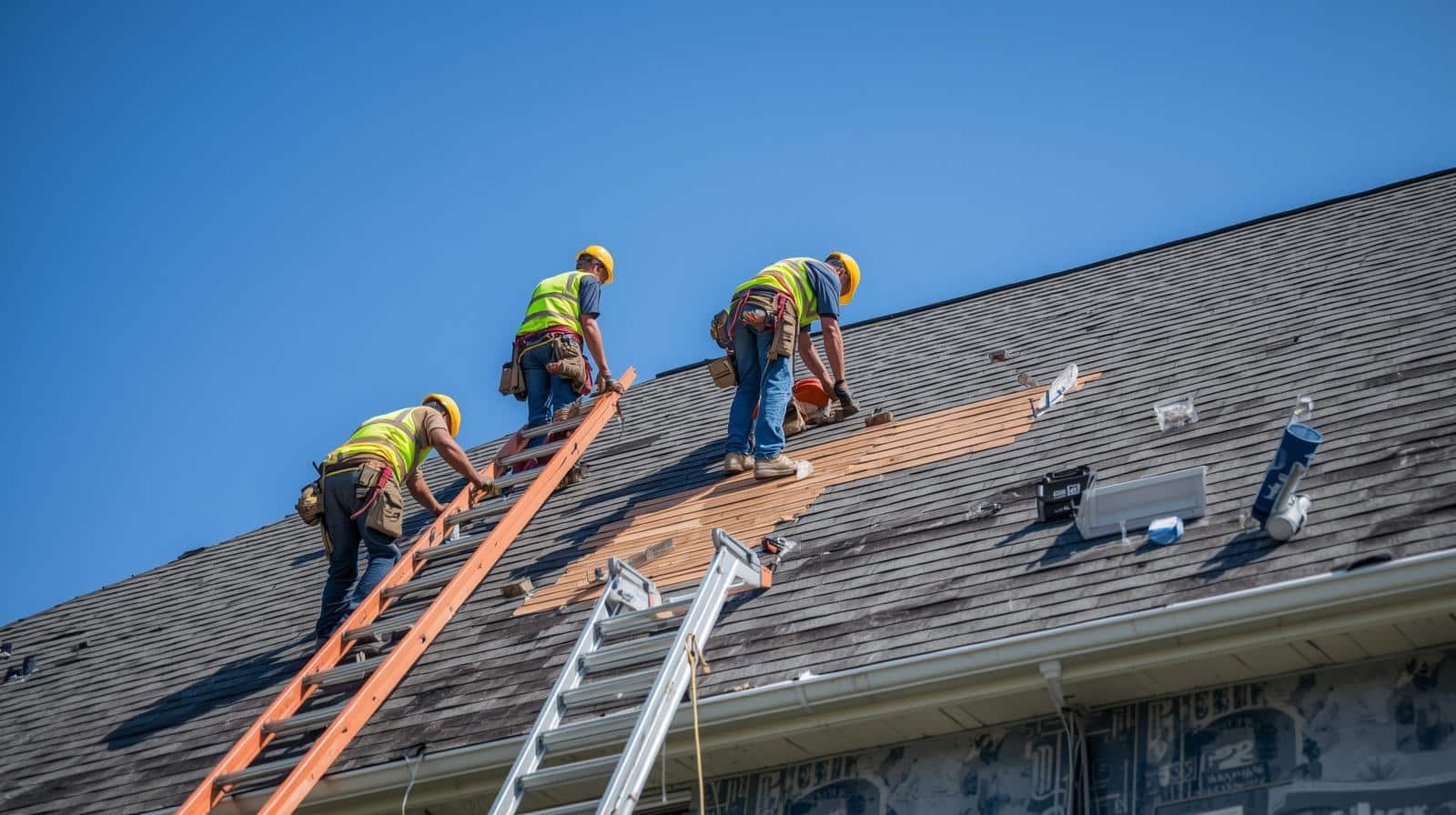
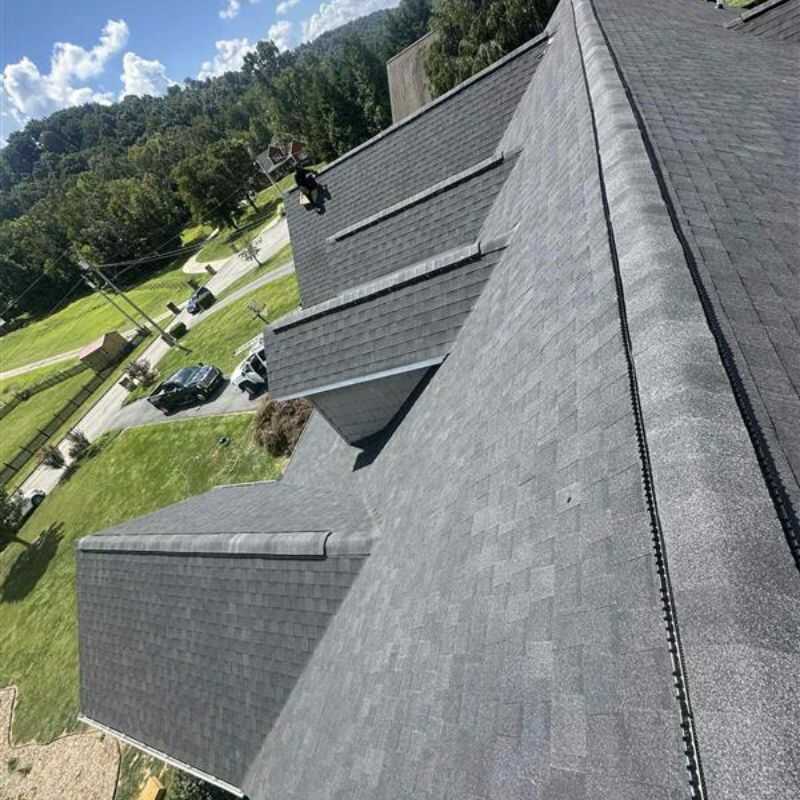
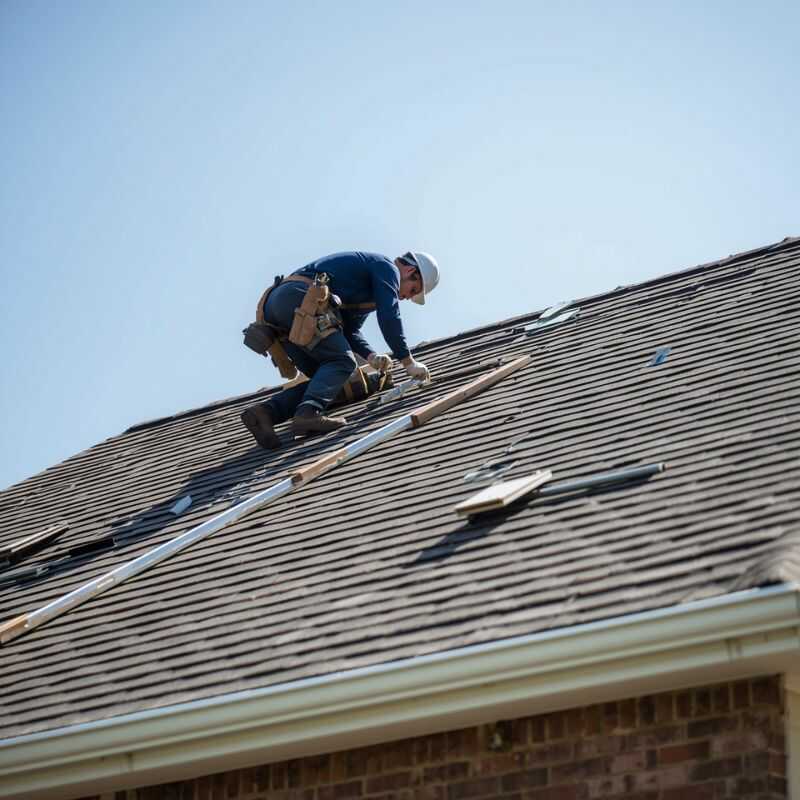
A reliable roofing contractor should deliver clean, organized, and consistent results from the beginning of the project to the final inspection. The images below highlight important details such as proper material installation, secure flashing, straight roof lines, protected exterior areas, and professional job-site organization.
Reviewing completed roofing projects can help homeowners better understand the level of workmanship they should expect. Quality roofing work should not only improve the appearance of the property but also support long-term protection, drainage, durability, and overall roof performance.



Frequently Asked Questions
1. How do I find a reliable roofing contractor in Johnson City, TN?
2.Should I get more than one roofing estimate?
3. What should be included in a roofing estimate?
4. 4. How can I tell whether I need roof repair or replacement?
5. Why is local roofing experience important?
6. What questions should I ask about roofing warranties?
Protect Your Home Before Hidden Siding Damage Gets Worse
Winter siding damage doesn’t announce itself. It develops quietly, behind the panels, until spring rains and humidity expose the problem. Addressing early warning signs now protects your structure, energy efficiency, and long-term investment.
👉 Schedule a professional siding inspection today
Catch hidden damage early—before it turns into major repairs.