

Learn how Tennessee heat and humidity affect your roof during summer.
roof Learn how Tennessee heat and humidity affect your roof during summer Summer in Tennessee brings more than just high temperatures—it creates extreme stress on
Serving Johnson City, TN
Serving Briston, VA
Serving Asheville, NC
Mon-Sat: 8.00am-6.00pm
A roof may appear to be in good condition, yet still allow water to seep in through small cracks around chimneys, vents, skylights, and adjacent walls. These vulnerable areas rely on a proper waterproofing system to divert rainwater away from roof joints and penetrations. When waterproofing problems arise, even a small opening can become a pathway for moisture.


Roof flashing is a thin protective material installed around roof penetrations, joints, edges, and transitions where water is more likely to enter. It is commonly made from metal and is shaped to guide rainfall over shingles and away from seams rather than allowing moisture to move beneath the roofing system.
Chimneys require carefully placed flashing because they create vertical surfaces that interrupt the natural flow of water down the roof. Step flashing, counter flashing, and other components work together to protect the areas where the chimney meets the shingles. When one section loosens, corrodes, bends, or separates, a chimney flashing leak may develop.
Roof vents also need flashing around their bases. Plumbing vents, exhaust vents, and other roof openings often use metal flashing or protective boots to seal the space between the penetration and the roofing materials. Cracked vent boots, exposed fasteners, deteriorated seals, or lifted edges can create roof vent flashing problems during periods of heavy rain.
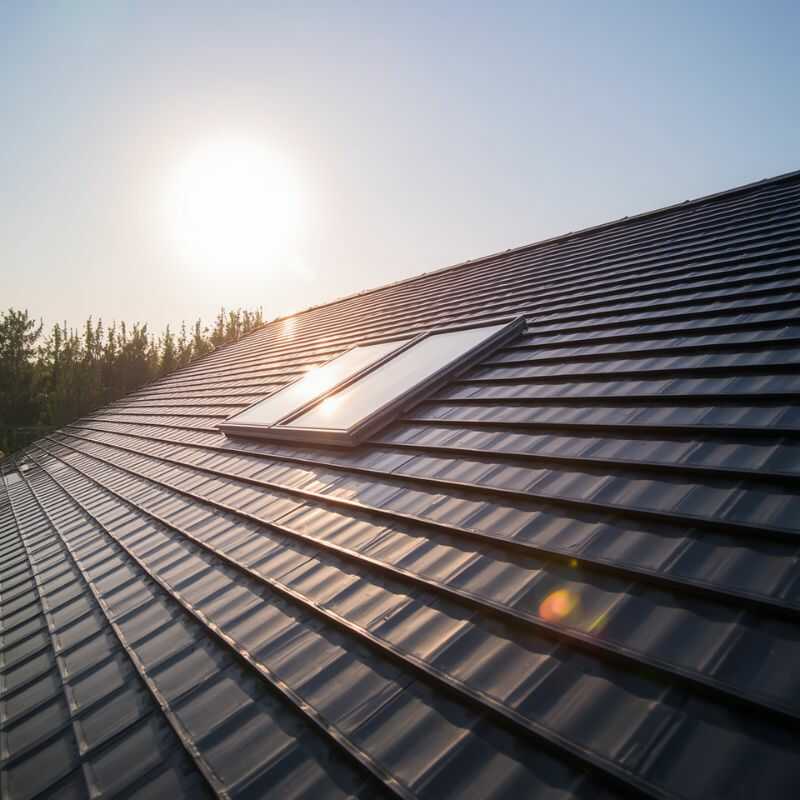
Skylights are another common location for water intrusion because they create a large opening within the roof surface. Proper skylight flashing directs runoff around the window frame and back onto the shingles below. If the flashing system is damaged or improperly sealed, homeowners may notice moisture around the skylight, stained drywall, or damp roofing materials.
Flashing is also installed along walls, valleys, roof-to-wall transitions, dormers, and other areas where different surfaces meet. These sections are especially important because water naturally concentrates around changes in roof shape. Maintaining these protective components helps preserve the shingles, roof decking, insulation, and interior areas beneath them.
One of the clearest signs of damaged roof flashing is water staining near a chimney, skylight, vent, or exterior wall. These stains may appear on ceilings, drywall, attic framing, or insulation. However, the visible stain may not be located directly beneath the damaged flashing because water can travel along roof decking before reaching an interior surface.
Homeowners may also notice peeling paint, bubbling drywall, musty odors, or damp areas near roof penetrations. Moisture around a skylight may appear along one corner, beneath the frame, or on the surrounding ceiling. These symptoms can indicate skylight flashing problems, although condensation and window-related issues should also be considered during an inspection.
Visible exterior changes can provide additional warning signs. Loose metal, bent flashing, missing sections, rust, damaged sealant, exposed fasteners, or gaps between the flashing and chimney may allow rainwater to enter. Cracked rubber boots around plumbing vents are another common source of roof leaks because the material can deteriorate after prolonged weather exposure.
A chimney flashing leak may also leave white mineral deposits, dark stains, damp masonry, or deteriorated mortar near the roofline. Water entering around the chimney can affect surrounding shingles, roof decking, wood framing, and interior finishes if the flashing problem remains unresolved.
After rainfall, homeowners in Johnson City should check attic spaces and interior areas around known roof penetrations. Fresh moisture, darkened wood, wet insulation, dripping water, or new ceiling discoloration may indicate active water intrusion. Identifying these roof leak signs before repeated fall rain can help limit damage to surrounding materials.
Small ceiling discoloration
Minor gaps around flashing
Occasional damp odor
Slightly damaged sealant
Localized moisture after rain
Large or spreading water stains
Separated or missing flashing sections
Persistent musty smell
Wet insulation or deteriorated drywall
Recurring leaks during multiple storms
Directs water over the roofing surface
Sits securely against adjoining materials
Works with shingles and roof penetrations
Protects decking and interior materials
Remains sealed around vulnerable transitions
Allows water to reach seams or gaps
May appear loose, bent, or separated
Can disrupt normal roof drainage
May contribute to hidden moisture damage
Shows cracked sealant or exposed openings
Roof flashing problems typically develop around areas where the roofing surface changes direction or meets another structure. These transitions interrupt the normal flow of rainwater and create seams that require additional protection. Chimneys, plumbing vents, skylights, dormers, valleys, and roof-to-wall connections are among the most vulnerable locations.
Chimney flashing is especially important because water can collect along the upper side of the chimney and move toward the surrounding shingles. Step flashing is commonly placed where the chimney meets the roof, while counter flashing helps prevent water from entering behind the metal. If either component becomes loose, damaged, or separated from the masonry, a chimney flashing leak may develop.
Roof vent flashing problems often occur when rubber boots crack, metal bases corrode, or sealant deteriorates around plumbing and exhaust vents. These components remain exposed to sunlight, rain, temperature changes, and debris throughout the year. Even a small opening around a vent pipe can allow moisture to reach the roof decking and attic insulation.
Skylight flashing must manage water around all sides of the skylight frame. Leaves, branches, and other debris may collect above the unit and interfere with normal drainage. Improper installation, damaged shingles, loose flashing, or deteriorated seals can increase the possibility of a skylight leak during fall rainfall.
Roof valleys and wall intersections also require careful attention. Valleys carry concentrated runoff from multiple roof slopes, while roof-to-wall flashing protects the joint between shingles and vertical siding or masonry. Because these areas handle significant amounts of water, small roof flashing defects can become more noticeable during prolonged rain.
After removing leaves and debris from ground-accessible areas, observe whether water can move freely around chimneys, skylights, and roof-to-wall transitions. Do not climb onto a wet or steep roof to inspect these locations.
A common mistake is focusing only on the lower side of a chimney or skylight. Water often enters from the upper side, where runoff can collect before moving around the roof penetration.
Chimney
Plumbing vent
Skylight
Roof valley
Roof-to-wall joint
Loose step flashing or separated counter flashing
Cracked boot or exposed fasteners
Debris buildup, damaged seals, or lifted flashing
Concentrated runoff entering beneath roofing materials
Gaps between shingles and the vertical surface
Roof flashing damage may remain unnoticed during dry weather because there is little or no water testing the vulnerable area. Once fall rain begins, repeated moisture exposure can reveal gaps around chimneys, vents, skylights, and adjoining walls. A small defect that appeared harmless during summer may allow water to enter during a longer period of rainfall.
Falling leaves and organic debris can make roof flashing problems more difficult to detect. Materials that collect around skylights, roof valleys, chimneys, and wall intersections may slow drainage or hold moisture against the roofing surface. When water cannot move efficiently, it may search for openings beneath shingles, seals, and flashing edges.
Changing temperatures can also affect roofing materials and flashing components. Metal, shingles, sealants, and surrounding construction materials expand and contract at different rates. If flashing is already loose or sealant has become brittle, repeated temperature changes may widen small gaps and increase the risk of water intrusion.
Wind-driven rain creates another concern because water may move sideways or upward beneath loose materials. Flashing that performs adequately during light vertical rainfall may allow moisture to enter when strong wind pushes rain against chimneys, vents, skylight frames, or exterior walls.
Preparing before fall rain gives Johnson City homeowners an opportunity to address visible roof flashing problems before repeated moisture affects decking, insulation, drywall, or interior paint. Preventive evaluation is generally more manageable than waiting until a roof leak creates visible damage inside the property.
Schedule a roof inspection before extended periods of fall rain, especially if the property has an older chimney, multiple roof vents, skylights, dormers, or complicated roof-to-wall transitions.
A frequent mistake is waiting for heavy rain before checking a previously stained ceiling or damp attic area. An old moisture mark may indicate that damaged flashing has already allowed water into the property during earlier weather events.
Checks flashing before repeated rainfall
Removes debris from vulnerable areas
Identifies loose metal or cracked seals
Provides time to plan necessary repairs
Helps protect decking and interior materials
Responds after water enters the property
Allows leaves to obstruct drainage
Misses small problems during dry weather
May create an urgent repair situation
Increases the possibility of hidden damage
When homeowners suspect a roof flashing leak, the first step is to document the visible symptoms. Photographs of ceiling stains, wet insulation, damaged drywall, loose flashing, or moisture near a chimney, vent, or skylight can help show how the condition changes after rainfall. Recording the date and location of each sign provides useful information during a roof inspection.
The next step is to inspect the property safely from accessible areas. Homeowners can check attic spaces for damp wood, wet insulation, water droplets, or discoloration near roof penetrations. From the ground, they can use binoculars or a camera with zoom to look for bent metal, exposed fasteners, cracked vent boots, missing shingles, or gaps around chimney flashing.
Temporary interior measures may help protect belongings during an active leak, but they do not repair the damaged roof flashing. Containers can collect dripping water, and furniture or valuables can be moved away from the affected area. Electrical fixtures near moisture should be treated cautiously, and professional assistance may be necessary when water approaches wiring or ceiling lights.
Homeowners should avoid applying roofing cement, household caulk, or another temporary sealant without understanding where the water is entering. Moisture may travel from an opening higher on the roof before becoming visible inside. Sealing the wrong location can conceal symptoms, interfere with drainage, or make the actual flashing problem more difficult to identify.
A professional roof inspection can evaluate the flashing, surrounding shingles, vent boots, sealants, roof decking, and related materials. Rolando Roofing LLC provides roof inspections, repairs, maintenance, and skylight services for residential and commercial properties in Johnson City, TN. An evaluation can help determine whether the affected flashing can be repaired or whether surrounding roofing materials also require attention.
Mark the edges of a ceiling stain lightly with a pencil and add the date. This makes it easier to determine whether the moisture mark expands after another rainfall.
A common mistake is assuming that water directly above an interior stain identifies the exact location of the roof leak. Water may travel along decking, rafters, fasteners, or other materials before becoming visible inside the home.
Identifies the likely entry point
Evaluates flashing and nearby shingles
Checks for hidden moisture effects
Recommends a condition-based solution
Helps address the source of the leak
Covers only the most visible area
May ignore damaged surrounding materials
Focuses mainly on stopping visible dripping
May fail during the next rainfall
Can conceal symptoms without solving the cause
Not every roof flashing problem requires the same solution. Some issues may be limited to a loose section, damaged fasteners, deteriorated sealant, or an isolated vent boot. In these situations, a targeted roof flashing repair may restore protection when the surrounding shingles and roofing materials remain in serviceable condition.
More extensive work may be necessary when metal flashing is severely bent, corroded, missing, or improperly installed. Replacement may also be appropriate when water has repeatedly entered around a chimney, skylight, roof vent, or wall transition and damaged nearby shingles or roof decking.
The condition of the surrounding roofing system is an important part of the decision. Installing new flashing beside cracked, lifted, or deteriorated shingles may not fully correct the source of a roof leak. A professional roof inspection should evaluate the flashing, shingles, underlayment, fasteners, seals, and visible moisture damage together.
Chimney flashing repairs may involve several components because step flashing and counter flashing serve different purposes. Skylight flashing systems may also require coordinated replacement around multiple sides of the unit. Roof vent problems can sometimes be resolved by replacing a damaged boot or flashing base, depending on the condition of the surrounding materials.
The right solution should address the source of water intrusion instead of simply covering the visible gap. Property owners in Johnson City, TN, can make a better decision when they understand whether the flashing failure is isolated or part of a broader roofing problem.
Ask whether the proposed flashing work includes an evaluation of the surrounding shingles and roof decking. Fixing the metal alone may not be sufficient when moisture has already affected nearby roofing materials.
A common mistake is assuming that adding more sealant is always an acceptable roof flashing repair. Sealant may deteriorate again when loose metal, improper installation, damaged shingles, or poor drainage remains unresolved.
Appropriate for limited damage
May address loose fasteners or small gaps
Surrounding roofing remains functional
Focuses on an isolated problem
Depends on inspection findings
Appropriate for extensive deterioration
Replaces corroded, missing, or damaged sections
Nearby materials may also need attention
Corrects a broader flashing failure
Depends on overall roof and moisture conditions

Preventive roof maintenance can help identify flashing problems before they produce noticeable interior water damage. Periodic observations allow homeowners to detect loose metal, damaged vent boots, deteriorated sealant, missing shingles, and debris buildup around vulnerable roof penetrations.
Keeping gutters and roof drainage paths clear is an important part of protecting roof flashing. When leaves and debris block water movement, moisture may collect around roof valleys, chimneys, skylights, and roof-to-wall connections. Standing or slow-moving water can place additional pressure on weakened seals and flashing edges.
Tree branches should also be monitored because they may scrape roofing materials, drop debris, or damage flashing during strong winds. Trimming branches away from the roof can reduce contact with shingles, skylights, vents, and chimney areas while helping limit organic buildup.
Interior observations are equally important. Checking the attic after periods of rainfall can reveal darkened wood, damp insulation, moisture near vent pipes, or staining around chimney structures. These warning signs may appear before water reaches finished ceilings or walls.
A seasonal roof inspection can be especially useful before fall rain. Evaluating flashing, shingles, gutters, and roof penetrations together helps Johnson City homeowners understand whether maintenance or roof repair should be completed before wetter weather exposes an existing weakness.
Create a simple seasonal checklist that includes chimneys, vents, skylights, gutters, ceiling stains, and attic moisture. Reviewing the same locations each season makes changes easier to recognize.
A frequent mistake is treating roof maintenance as only a gutter-cleaning task. Gutters are important, but flashing, shingles, vent boots, skylight edges, valleys, and interior moisture signs should also be included.
At Rolando Roofing LLC, we believe roofing should be straightforward, honest, and stress-free.
We understand how roofing, siding, windows, and doors work together to protect your home from weather and moisture damage.
Our inspections help identify hidden leaks, ventilation issues, and structural concerns affecting the exterior of your property.
Working with local roofing experts means choosing professionals who understand the area’s climate, building codes, and unique roofing needs
Our team focuses on quality installations and repairs built to withstand Tennessee weather conditions.
We provide durable solutions designed to improve energy efficiency and protect homes from long-term damage.
We help homeowners prevent costly structural damage and maintain the value and safety of their property.
Roof flashing must be positioned so that water naturally flows over each component and returns to the roofing surface. Proper installation depends on layering, placement, fastening, compatibility with surrounding materials, and the type of roof penetration being protected.
Around chimneys, individual pieces of step flashing are commonly integrated with each row of shingles. Counter flashing helps protect the upper edges of those pieces. When the components are installed incorrectly or rely entirely on exposed sealant, water may eventually move behind the flashing.
Roof vent flashing must fit securely around the pipe or opening while remaining properly integrated with the shingles. A poorly fitted boot, exposed nail, lifted edge, or incorrectly layered base may allow water to reach the roof decking.
Skylight flashing requires careful water management around the top, sides, and lower edge of the frame. Because runoff moves differently around each part of the skylight, incomplete or improperly placed flashing can contribute to recurring moisture problems.
Professional roof flashing installation also considers the condition of nearby shingles, underlayment, decking, and drainage paths. Addressing these connected elements helps create a more complete roofing solution rather than depending on a temporary surface patch.
Clogged gutters can hide granule accumulation beneath leaves, dirt, twigs, and organic material. This makes it difficult to determine whether the particles appeared recently or have been collecting for several months. Regular gutter maintenance creates a cleaner starting point for monitoring the roof after rainstorms.
Reviewing completed roofing projects can help homeowners better understand the level of workmanship they should expect. Quality roofing work should not only improve the appearance of the property but also support long-term protection, drainage, durability, and overall roof performance.
Poor drainage can also allow water and debris to remain near the roof edge. Sagging gutters, blocked outlets, loose sections, or improper slope may cause water to back up instead of moving efficiently toward the downspouts. Although gutter problems do not directly cause every type of shingle granule loss, ineffective drainage can place additional stress on roof edges, fascia, and surrounding exterior materials.
Downspouts should direct water and loose roof particles away from the foundation. When they are disconnected or blocked, granules may collect near walls, landscaping, walkways, or foundation edges. Checking these areas can help homeowners identify both roofing wear and drainage problems.









roof Learn how Tennessee heat and humidity affect your roof during summer Summer in Tennessee brings more than just high temperatures—it creates extreme stress on

Sagging Gutters After a Storm: Repair or Replace Before Fall? After a season of heavy rainfall, strong winds, and summer storms, homeowners may notice that

Discover the benefits of professional window screen installation for homes and businesses. Boost comfort, curb appeal, and energy efficiency today. Introduction to Window Screen Installation

Humidity and cold air silently damage interior paint. Learn the warning signs and when to hire professional interior painting services. How Humidity and Cold Air

Discover why winter is the smartest time to replace bathroom and kitchen flooring. Lower costs, better installs, and long-term protection. Why Winter Is the Best

Winter energy bills often spike due to hidden door and window issues. Learn what most homeowners overlook and how to stop heat loss fast. The
Winter siding damage doesn’t announce itself. It develops quietly, behind the panels, until spring rains and humidity expose the problem. Addressing early warning signs now protects your structure, energy efficiency, and long-term investment.
👉 Schedule a professional siding inspection today
Catch hidden damage early—before it turns into major repairs.